At the End of
the Rainbow
The Identity Crisis of the Atari 8-Bit Computer
Select a panel
Click any panel to expand
About the Book
An in-depth investigation into Atari’s 8-bit computers, detailing hardware innovations, architectural compromises, and market positioning identity crises.
Color Supplements
Color versions of the figures found in the book.
Related Events
Schedule of upcoming talks, museum presentations, book signings, retrocomputing panels, and author streams.
Reviews & Press
Endorsements. Reviews from academic and popular magazines.
At the End of the Rainbow
The Identity Crisis of the Atari 8-Bit Computer
SUMMARY
Throughout the late 1970s and early 1980s, Atari became synonymous with arcade gaming, producing iconic games such as Pong and Asteroids. Yet the company’s ambitions extended beyond games and consoles. In 1979, Atari launched its first 8-bit computer—a platform initially designed as a console before its release into the market as a computer. This ambiguous identity produced a curious marketing campaign that downplayed the computer’s main selling point as a gaming machine; within three years, Atari had switched tactics and repackaged the computer as a console. In At the End of the Rainbow, Paweł Grabarczyk examines how a device that had to shed its image as a “glorified console” later became a console accused of being a computer in disguise, resulting in its varied reception across the globe.
As the Atari 8-bit platform faded into obsolescence in the West, it found unexpected success in other parts of the world—Chile, Eastern Europe, and especially in socialist Poland, where it led the digital revolution and kickstarted the domestic gaming industry. Grabarczyk traces these divergent trajectories across capitalist and socialist contexts and explores how the platform’s fate sparked a larger debate about the boundaries between console and computer, between playful and serious users—and about the very purpose of computing itself.
List of Chapters
What Is the Atari 8-Bit Platform?
A brief overview of the members of the Atari 8-bit family and the theoretical frameworks applied throughout the book.
Do You Need a Computer at Home?
How Atari struggled to market its newly defined "home computer" category and fought an uphill battle to shed its image as a mere "game company."
Educate Yourself!
How Atari found the ideal vessel to frame a gaming machine as something practical and "useful"—educational software.
Learn Programming
An exploration of the polarized world of Atari 8-bit programming—from the deceptive simplicity of BASIC to the mind-bending complexity of assembly language.
Home Office, Home Studio
How Atari 8-bit users touched the future of modern computing through early internet browsing, word processing, and graphics tablet illustration.
The Birth of PC Gaming (As We Know It)
What happens when a gaming machine equipped with a keyboard embraces its true identity? How the early Atari game market mirrored today's contrast between AAA and indie games.
Changing identity
A console prototype becomes a home computer, only to be repackaged as a console once again three years later—the tragic tale of the Atari 5200’s wasted potential.
Atari Overeas
How Atari attempted to expand abroad using a US-focused marketing strategy, and how it eventually pivoted to find relative success.
The East Side Story: Atari Arrives To Poland
How a computer that failed to dominate Western markets brought personal computing to a socialist country and single-handedly built its gaming industry.
The People’s Computer
How a dedicated retro community has kept the Atari 8-bit alive for more than three decades.
A TLDR for the impatient
About the Author
Paweł Grabarczyk is Associate Professor at the IT University of Copenhagen and the University of Lodz. His work bridges analytic philosophy and game studies. He is the author of Directival Theory of Meaning.
Color Supplements
Color versions of the figures found in the book.
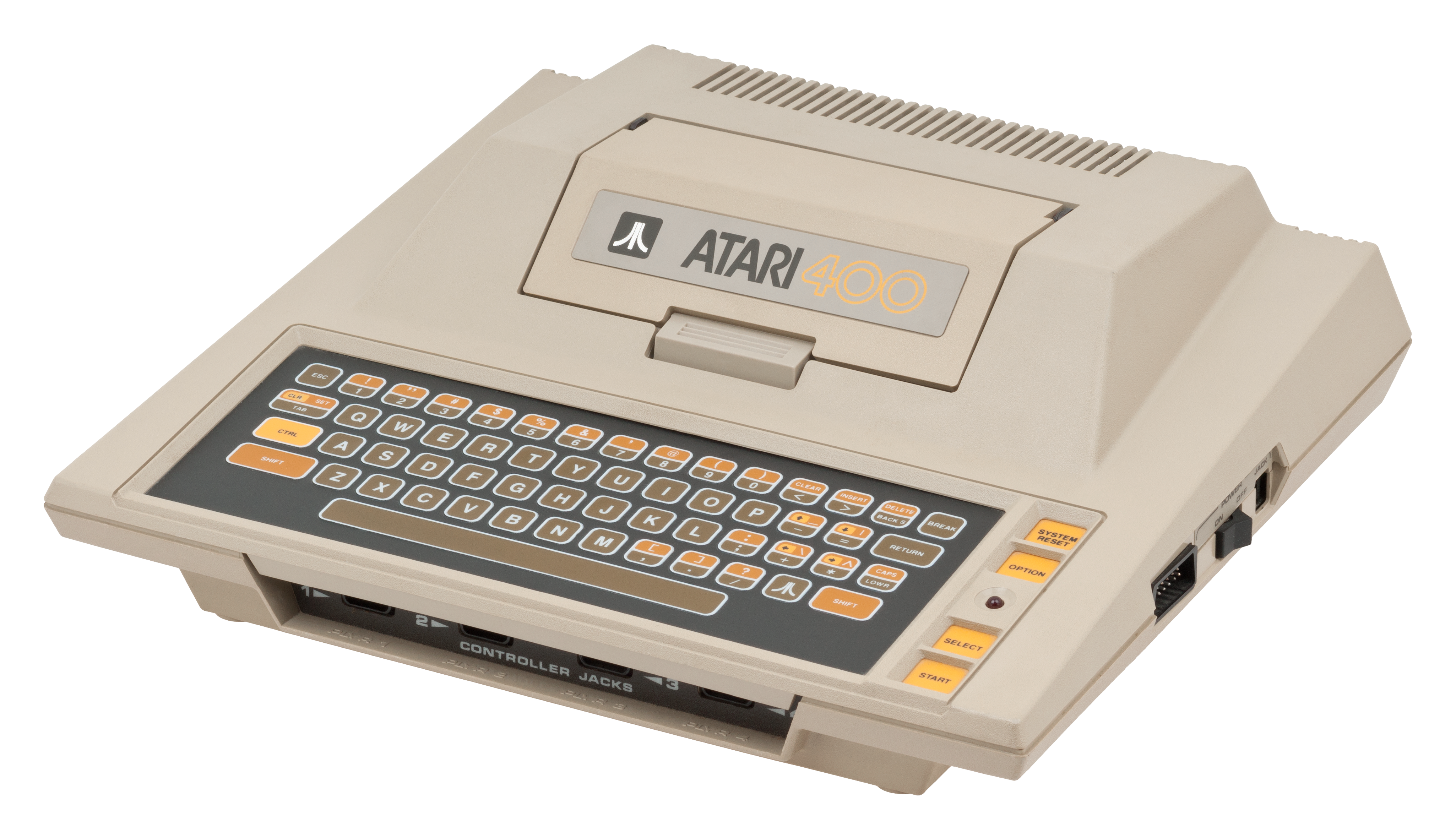
ATARI 400
Photo by Evan Amos, Creative Commons Attribution Share Alike 3.0 Unported license, no changes made.
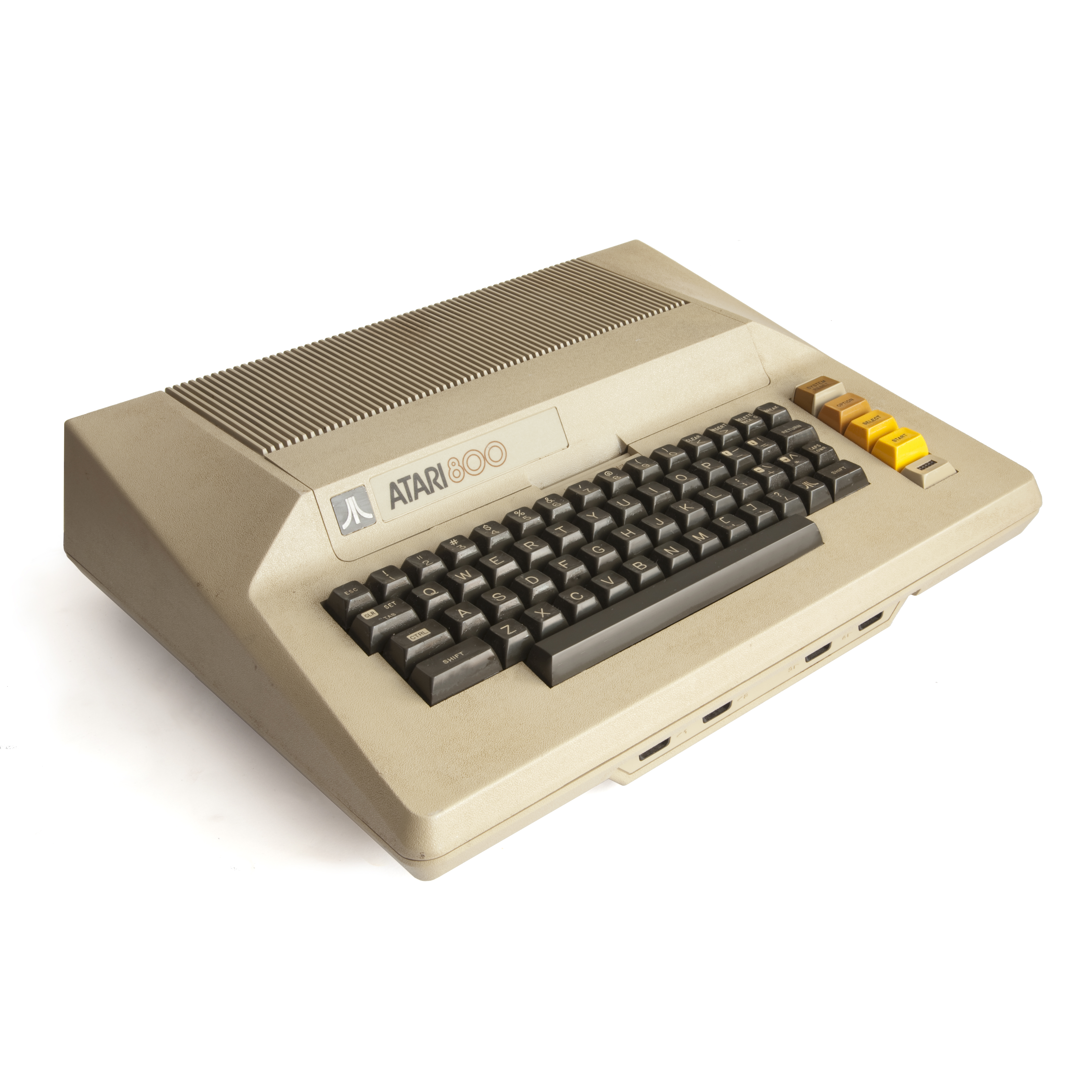
ATARI 800
Atari 800. Photo by Bilby, Creative Commons Attribution Share Alike 3.0 Unported license, no changes made.
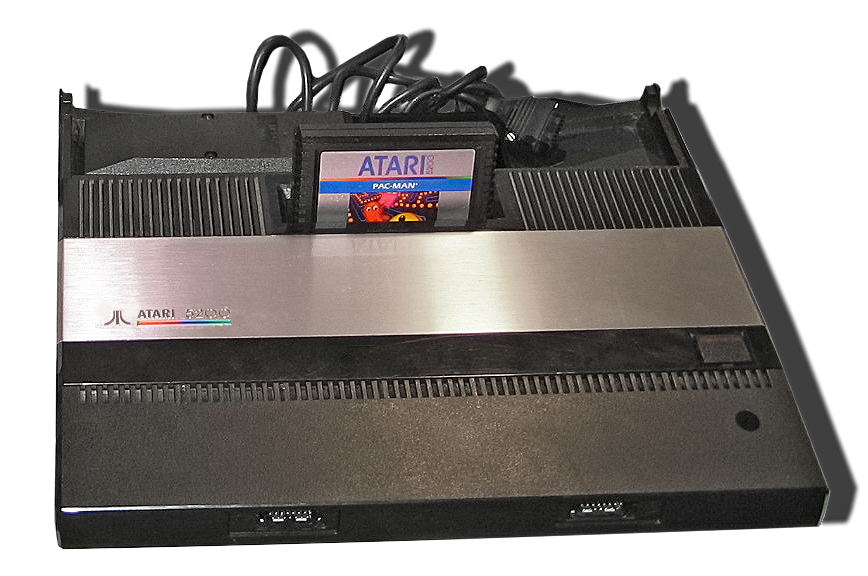
ATARI 5200
Atari 5200. Photo by Daniel McConnell. Creative Commons Attribution Share Alike 2.0 Generic license, no changes made.
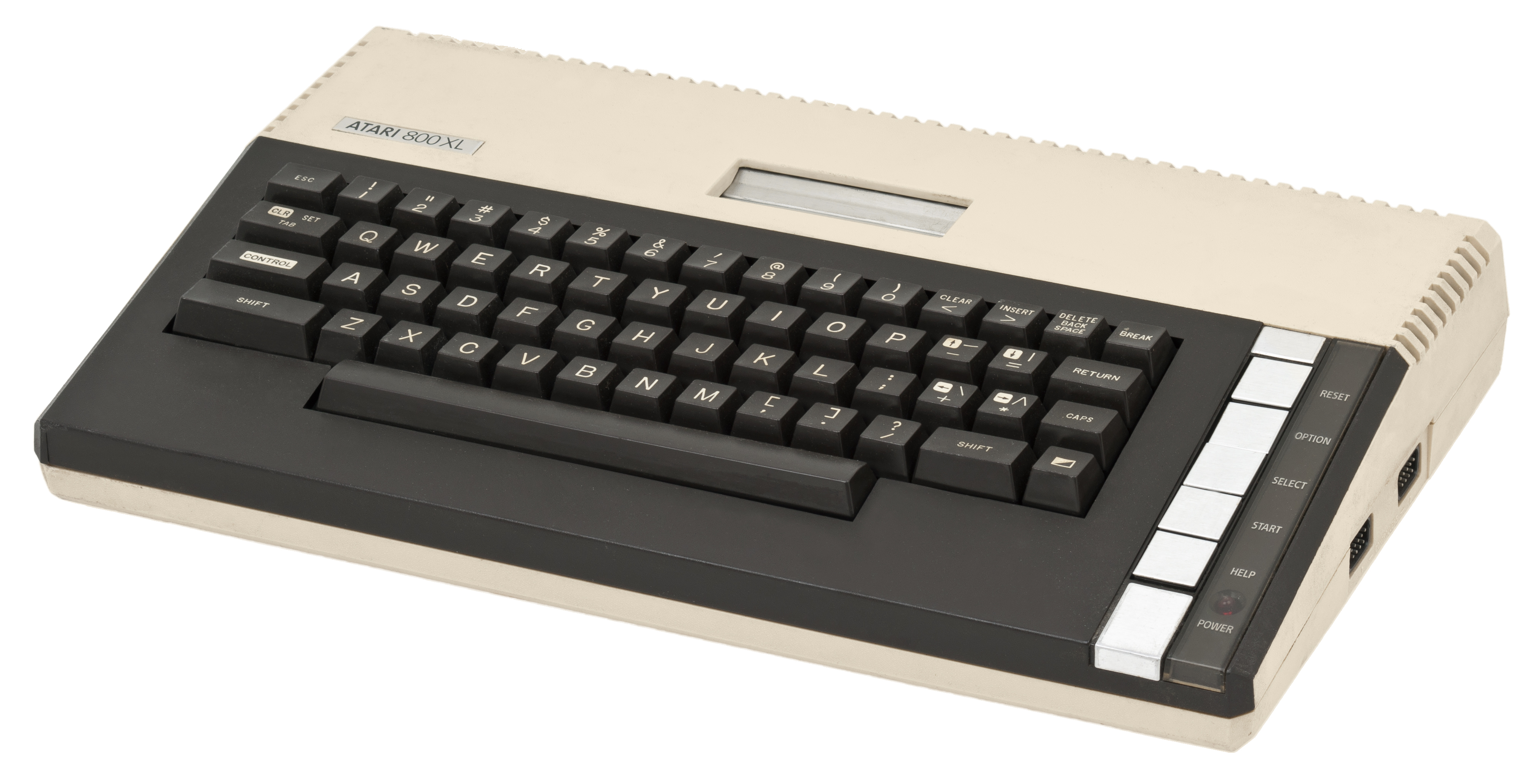
ATARI 800XL
Atari 800XL. Photo by Evan Amos, Creative Commons Attribution Share Alike 3.0 Unported license, no changes made.
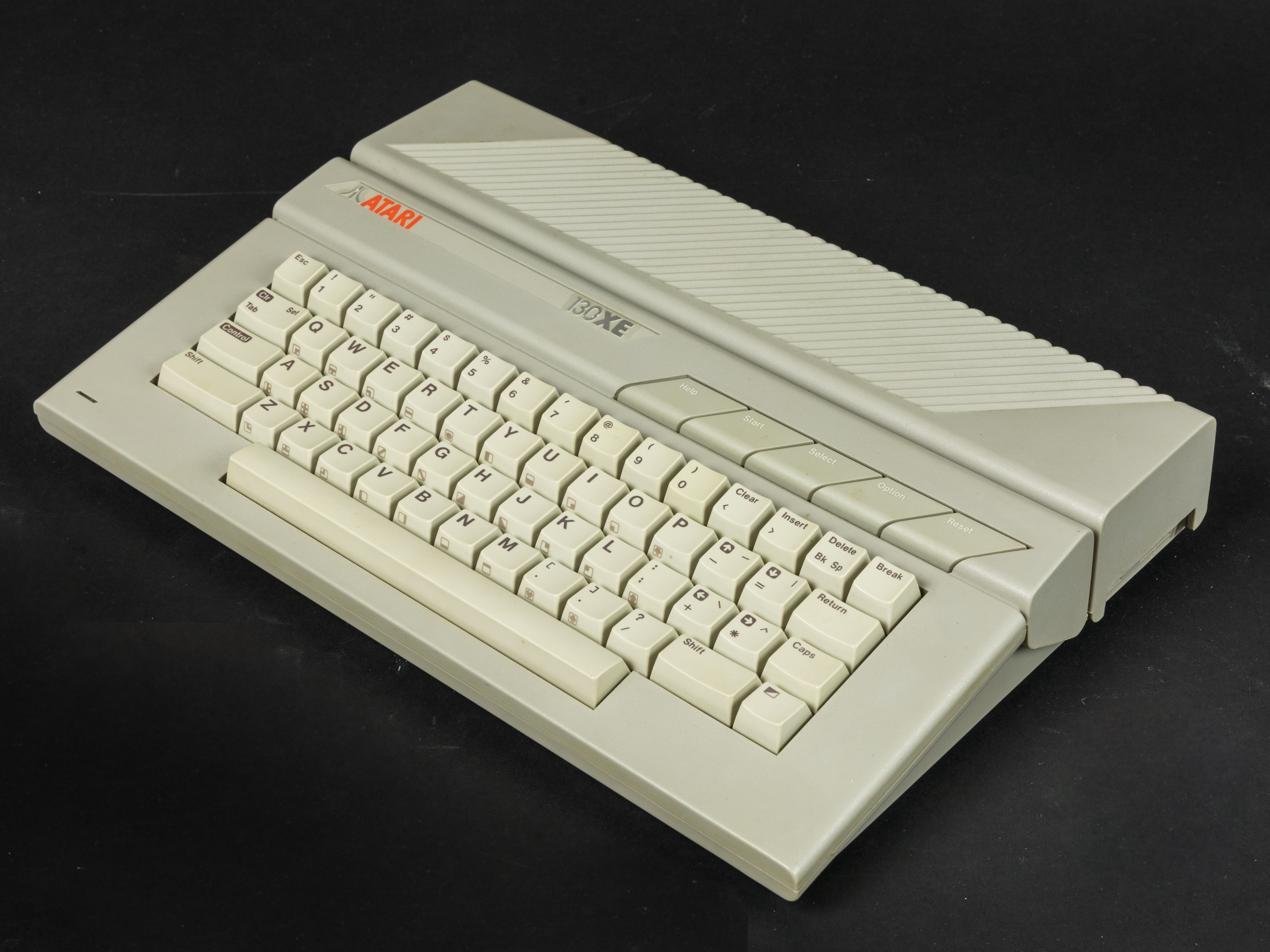
ATARI 130XE
Atari 130XE. Photo by Raimond Spekking, Creative Commons license CC BY- SA 4.0 license, no changes made.
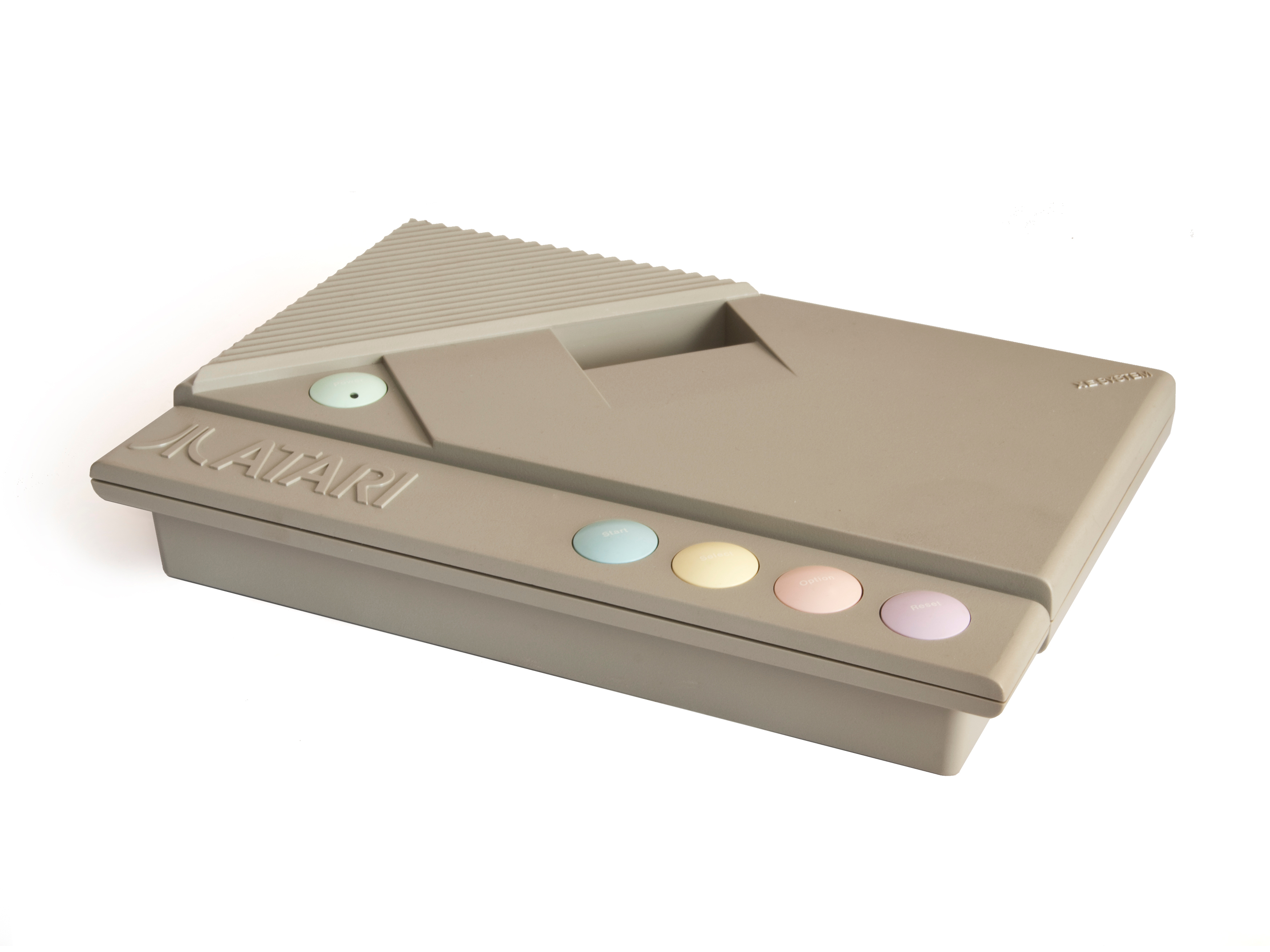
ATARI XEGS
Atari XEGS. Photo by Bilby, Creative Commons Attribution 3.0 Unported license, no changes made.

BASIC
BASIC, mixed screen mode. Source: Author created.
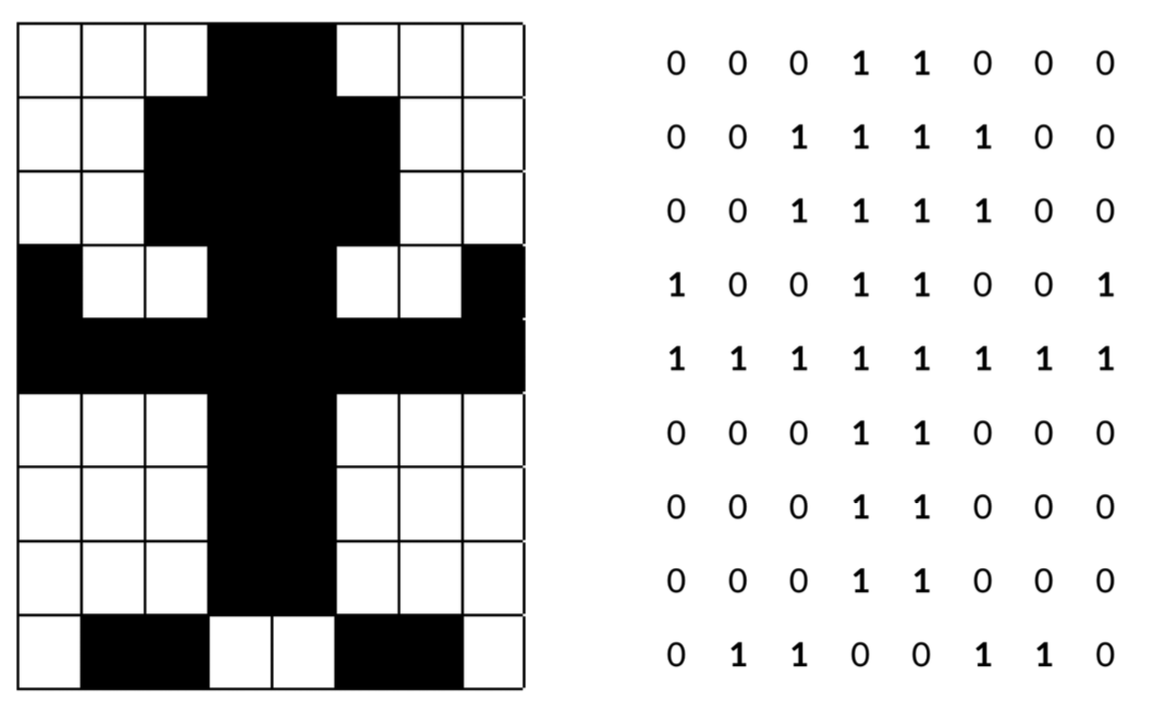
Player/Missile Graphics
Player/Missile Graphics. Source: Author created.
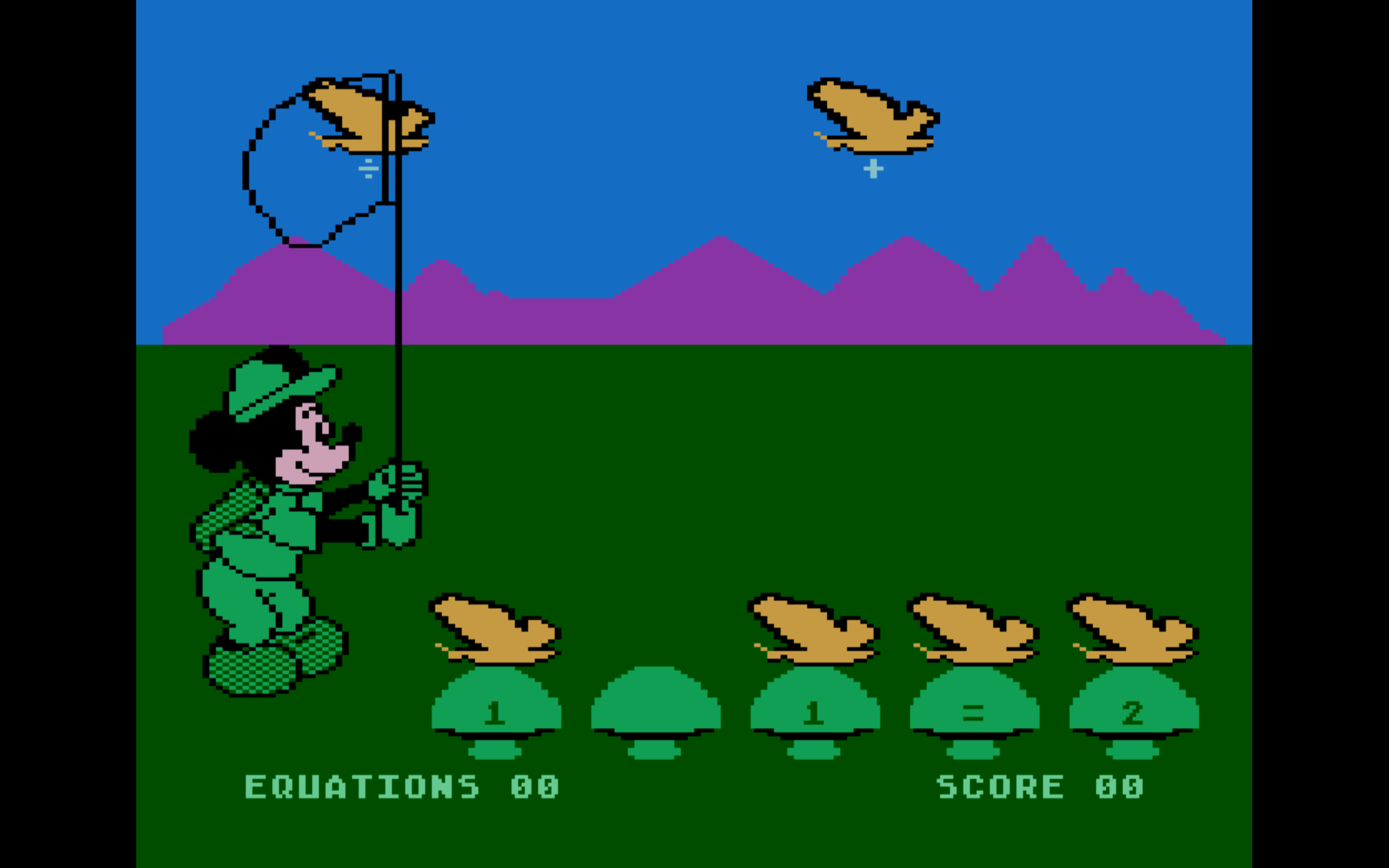
Mickey in the Great Outdoors gameplay
Mickey in the Great Outdoors gameplay. Source: Screenshot, Walt Disney Productions, Atari, 1983.
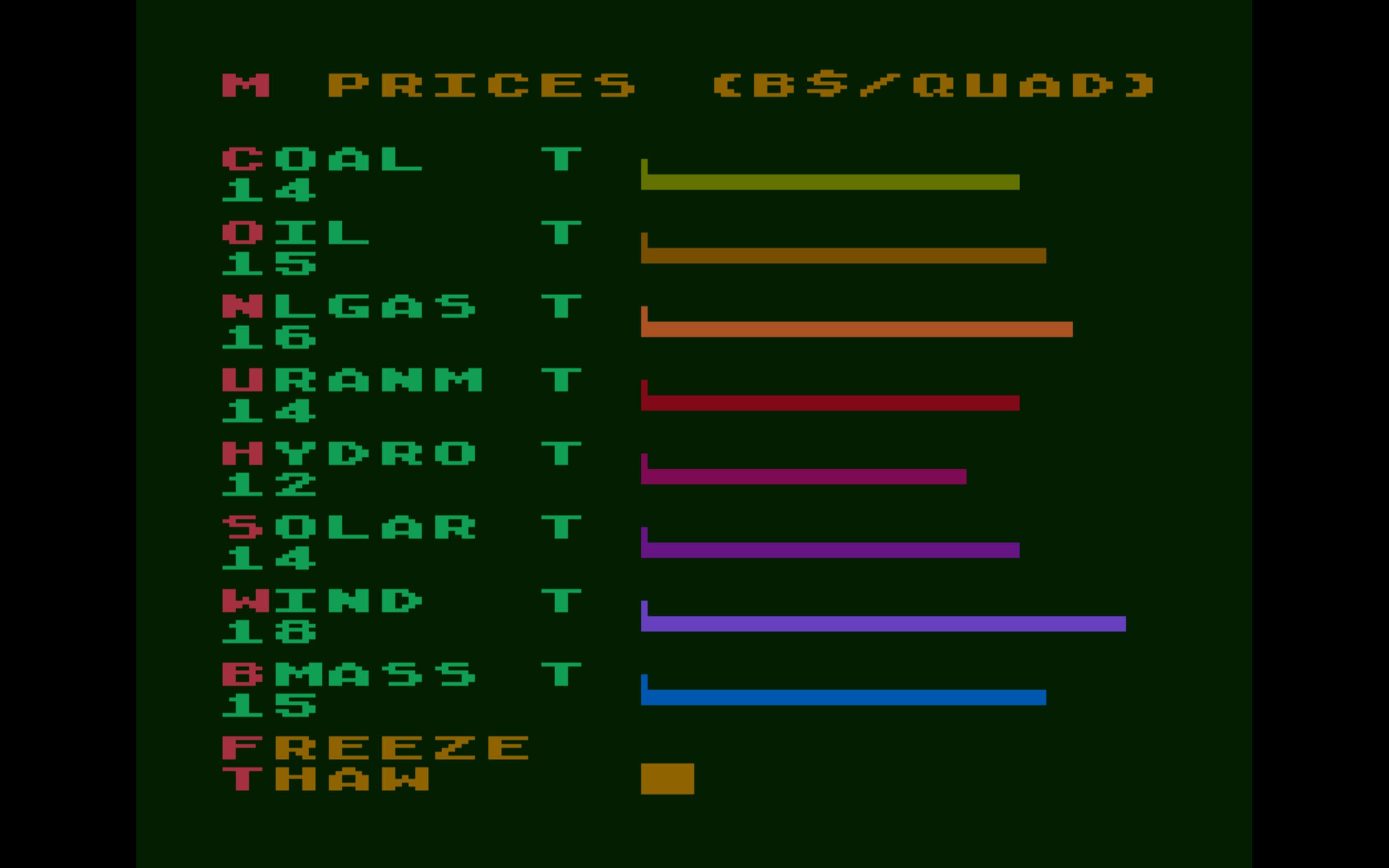
Energy Czar gameplay
Energy Czar gameplay. Screenshot, Atari, 1980.
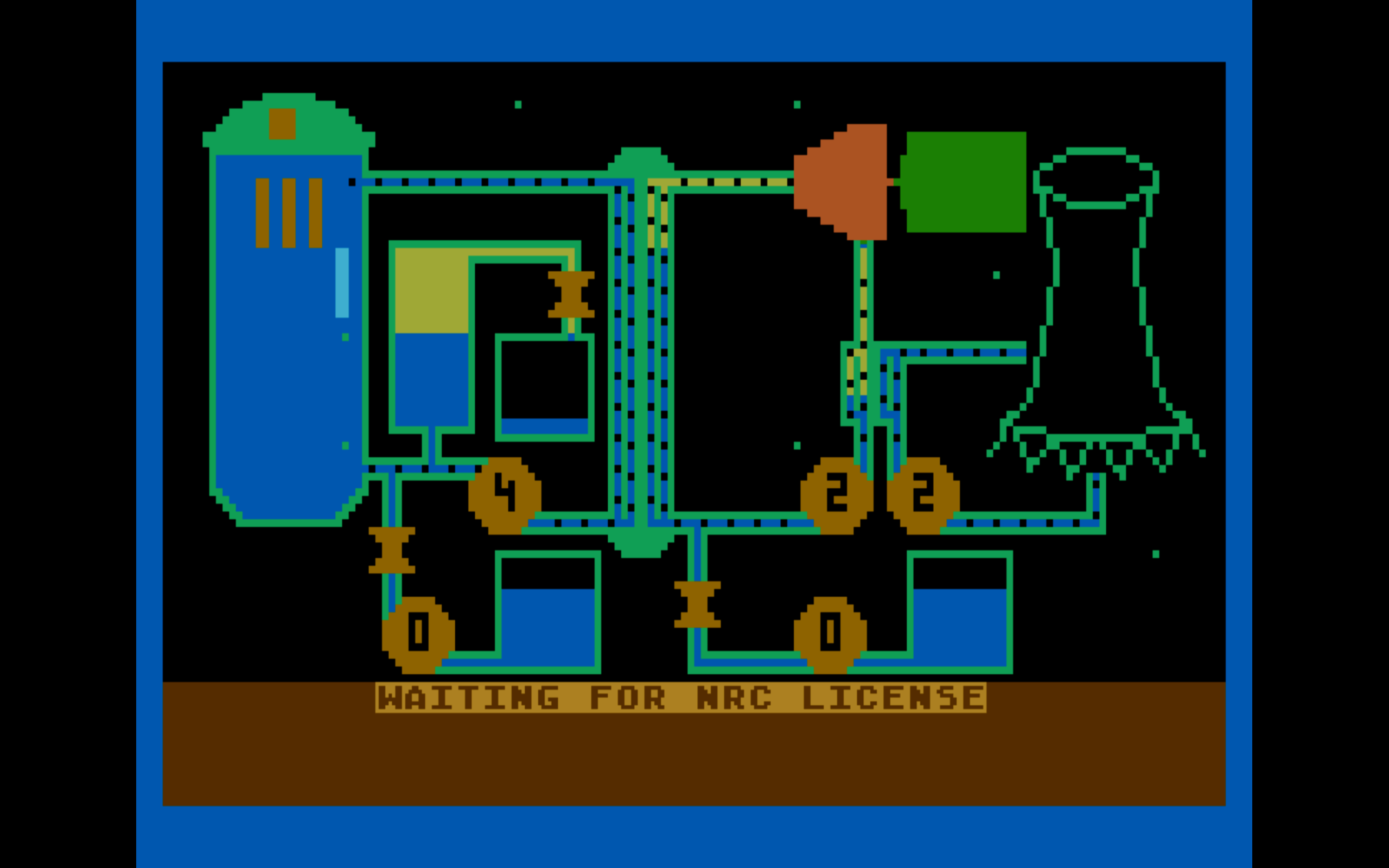
SCRAM gameplay
SCRAM gameplay. Screenshot, Atari, 1980.

ATASCII Picture
ATASCII Picture.
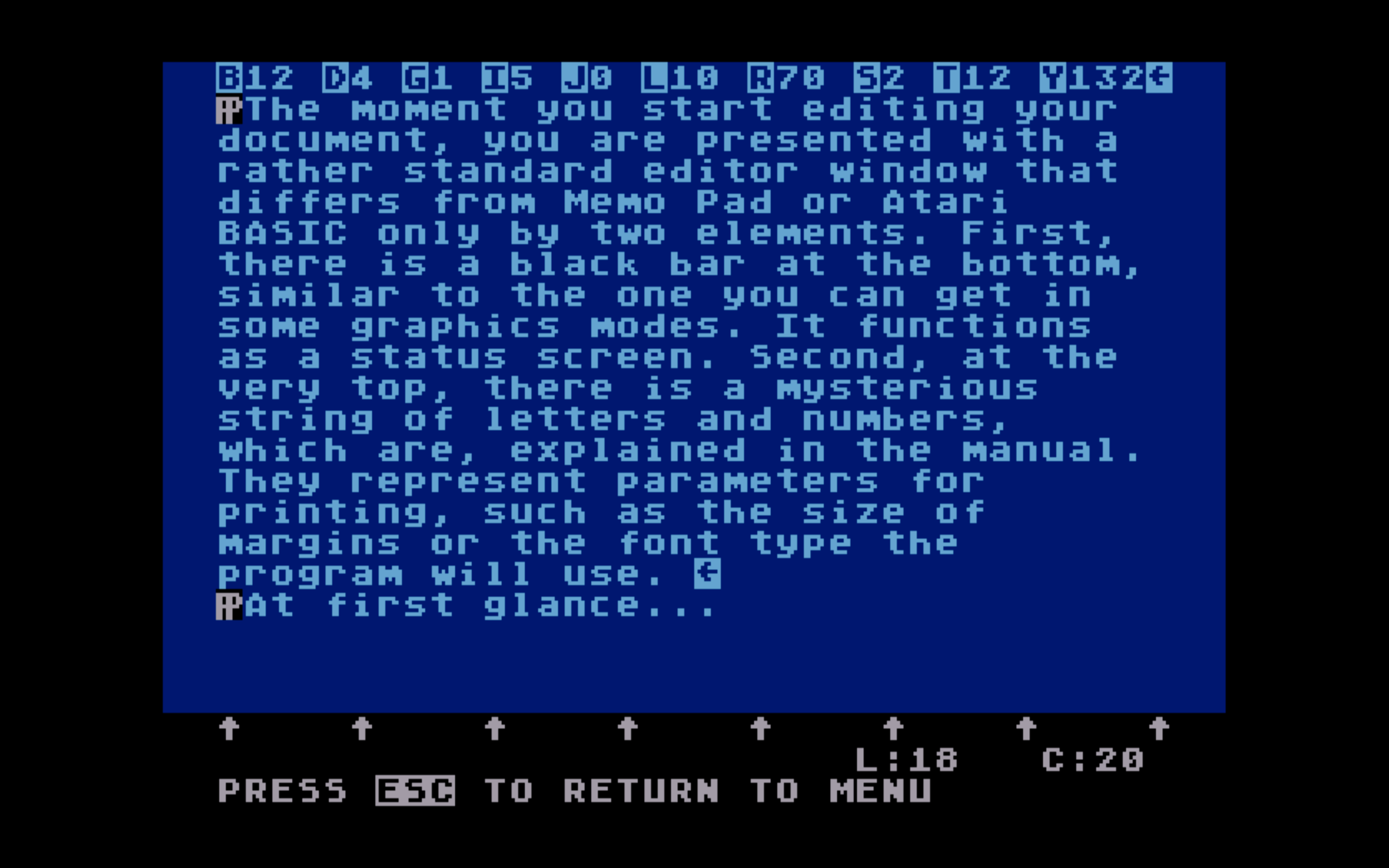
AtariWriter
AtariWriter. Screenshot, Atari, 1982.
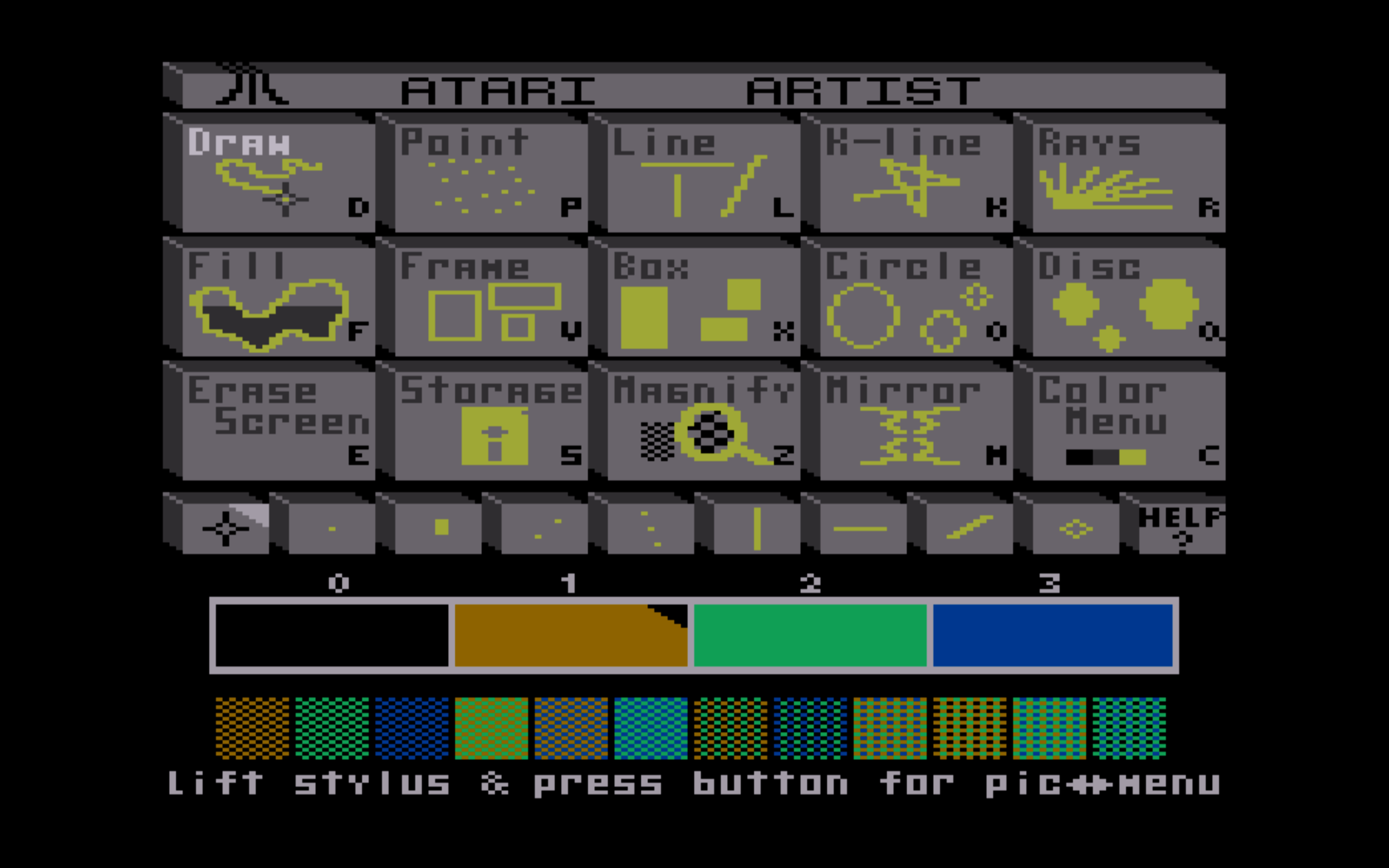
Atari Artist interface
Atari Artist interface. Screenshot, Atari, 1983.
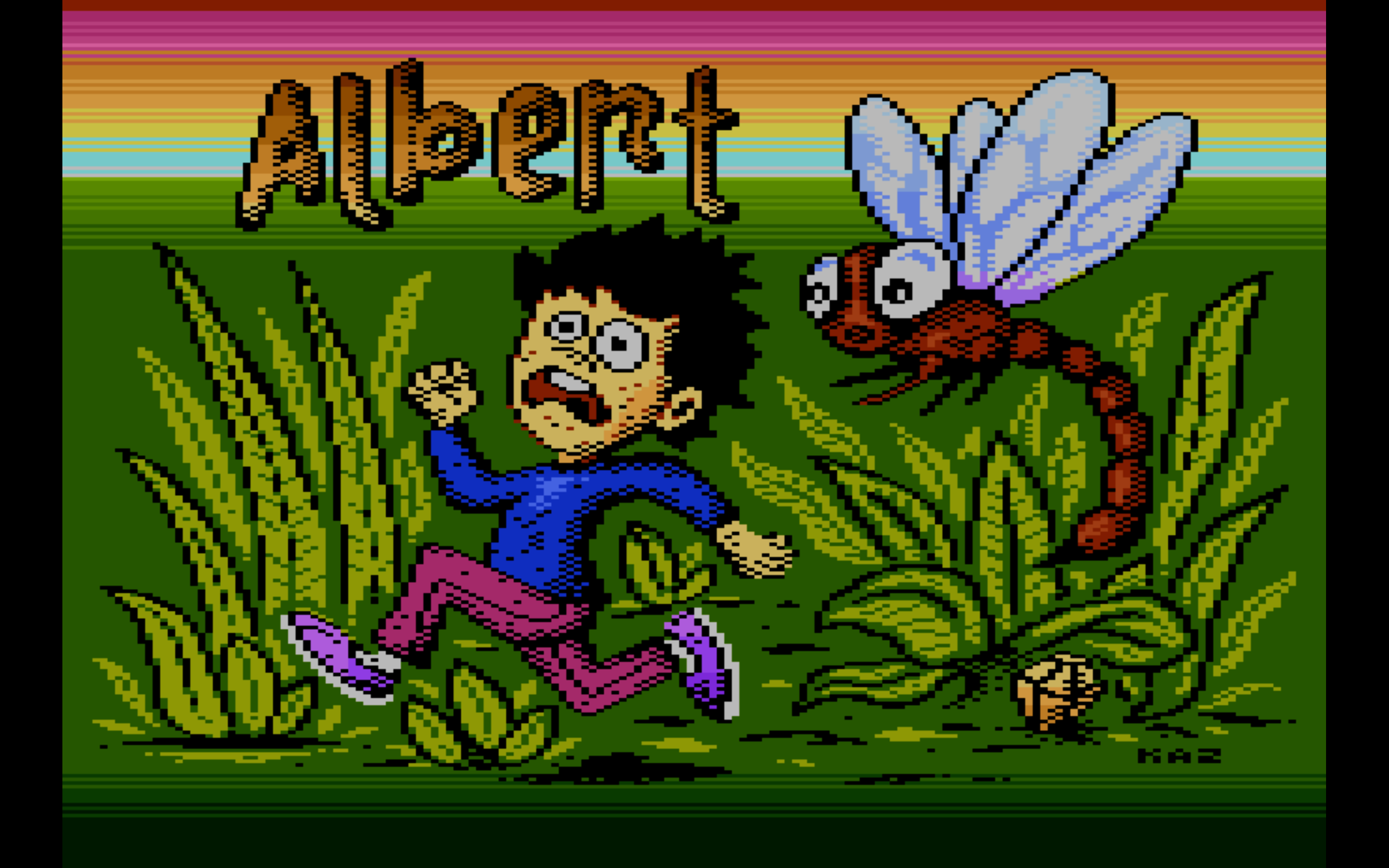
Albert - a modern game putting display interrupts to use.
Screenshot, public domain, 2021.
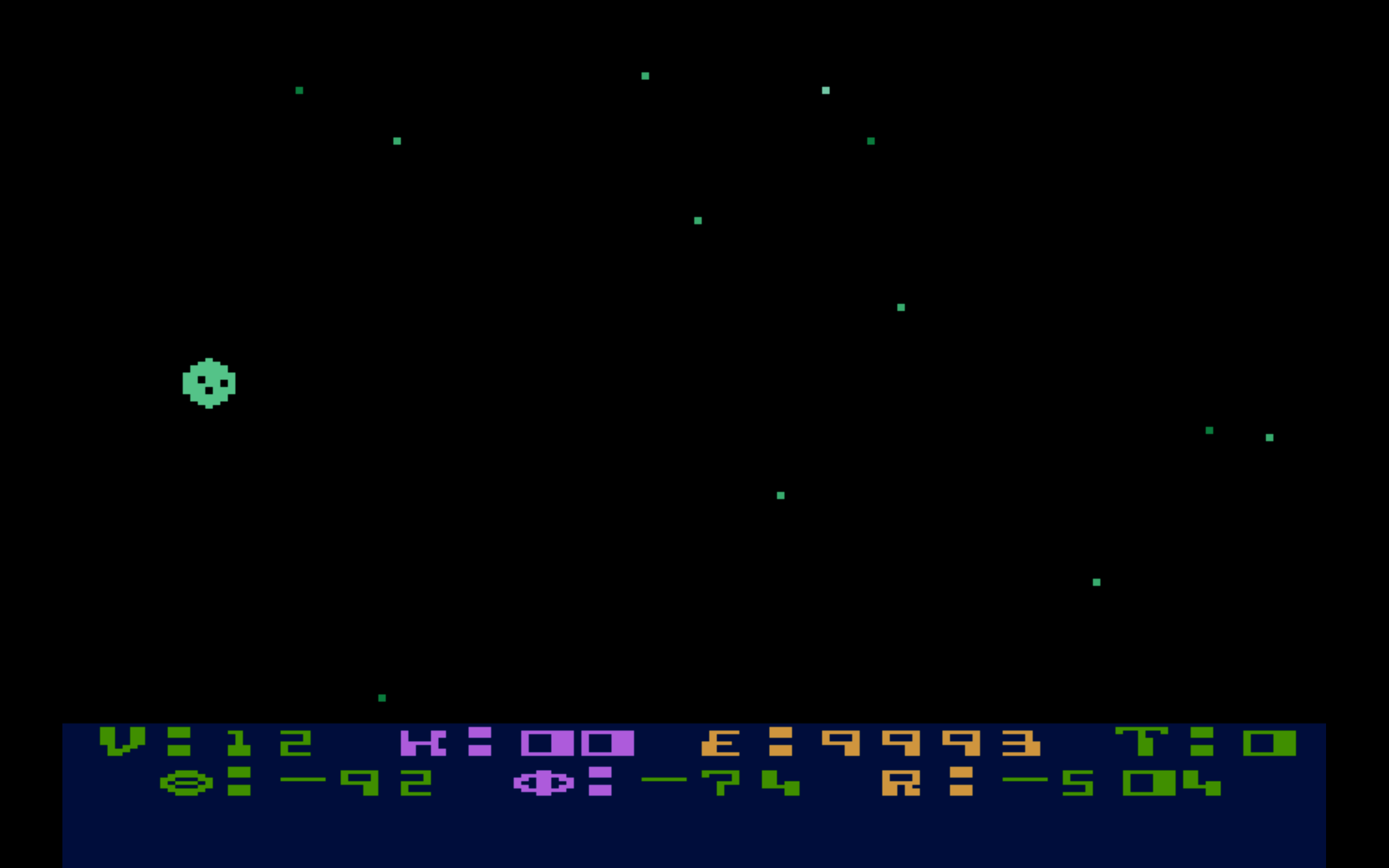
Star Raiders
Screenshot, Atari 1979.
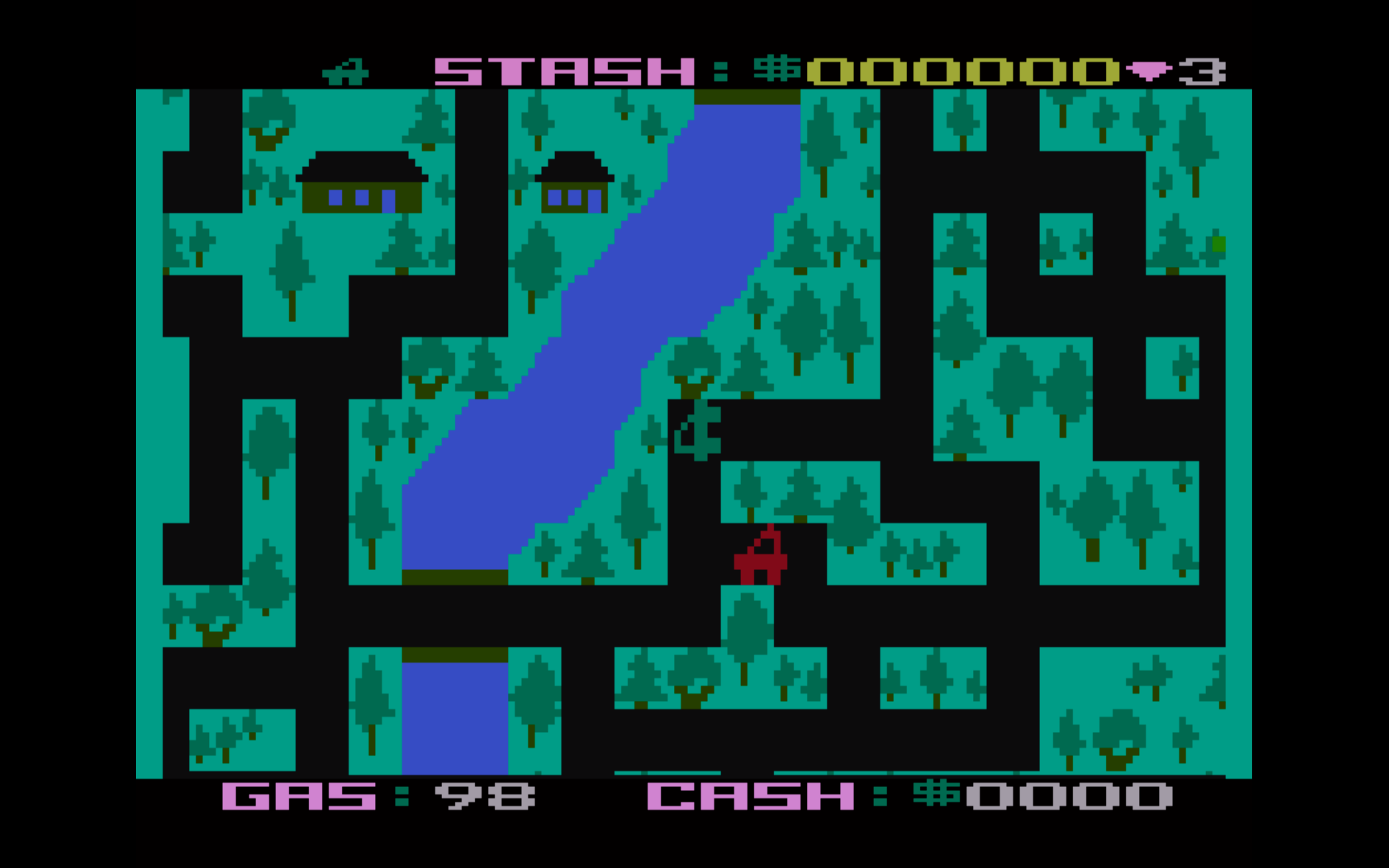
Getaway!
Screenshot, Mark Reid, APX, 1982.
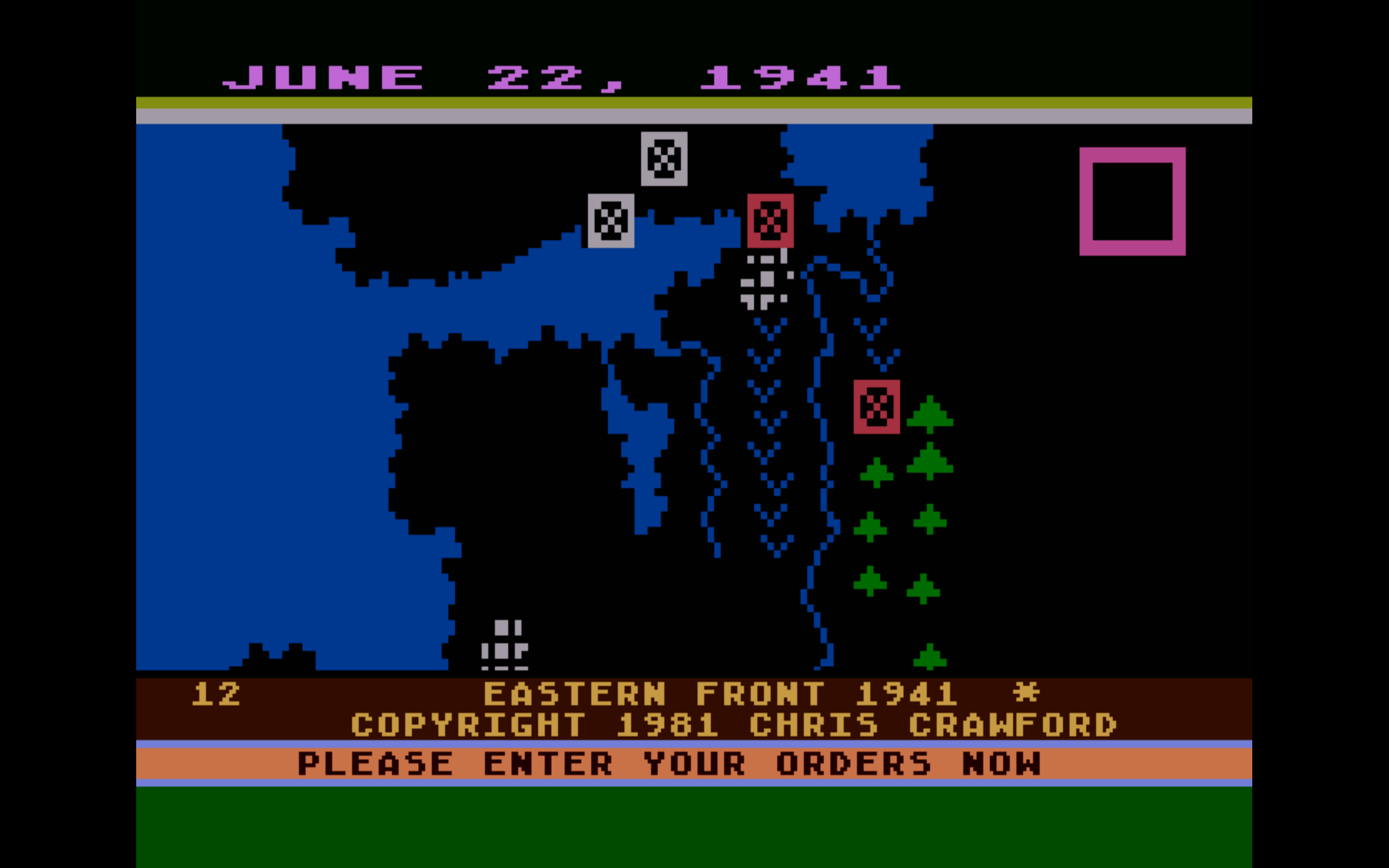
Eastern Front (1941)
Screenshot, Chris Crawford, Atari, 1982.
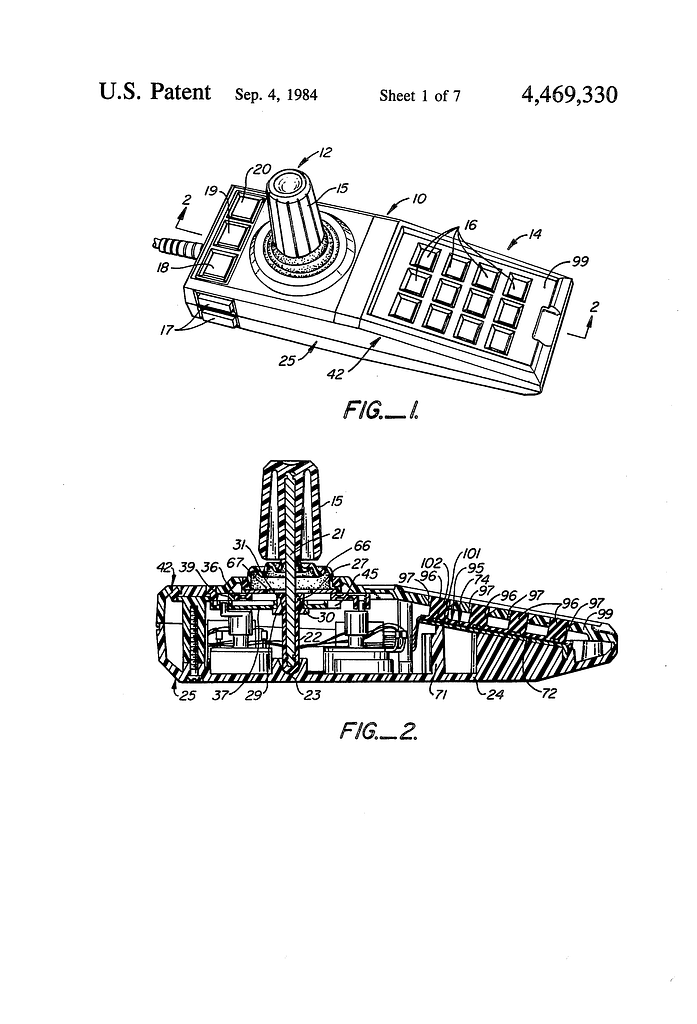
Atari 5200 joystick
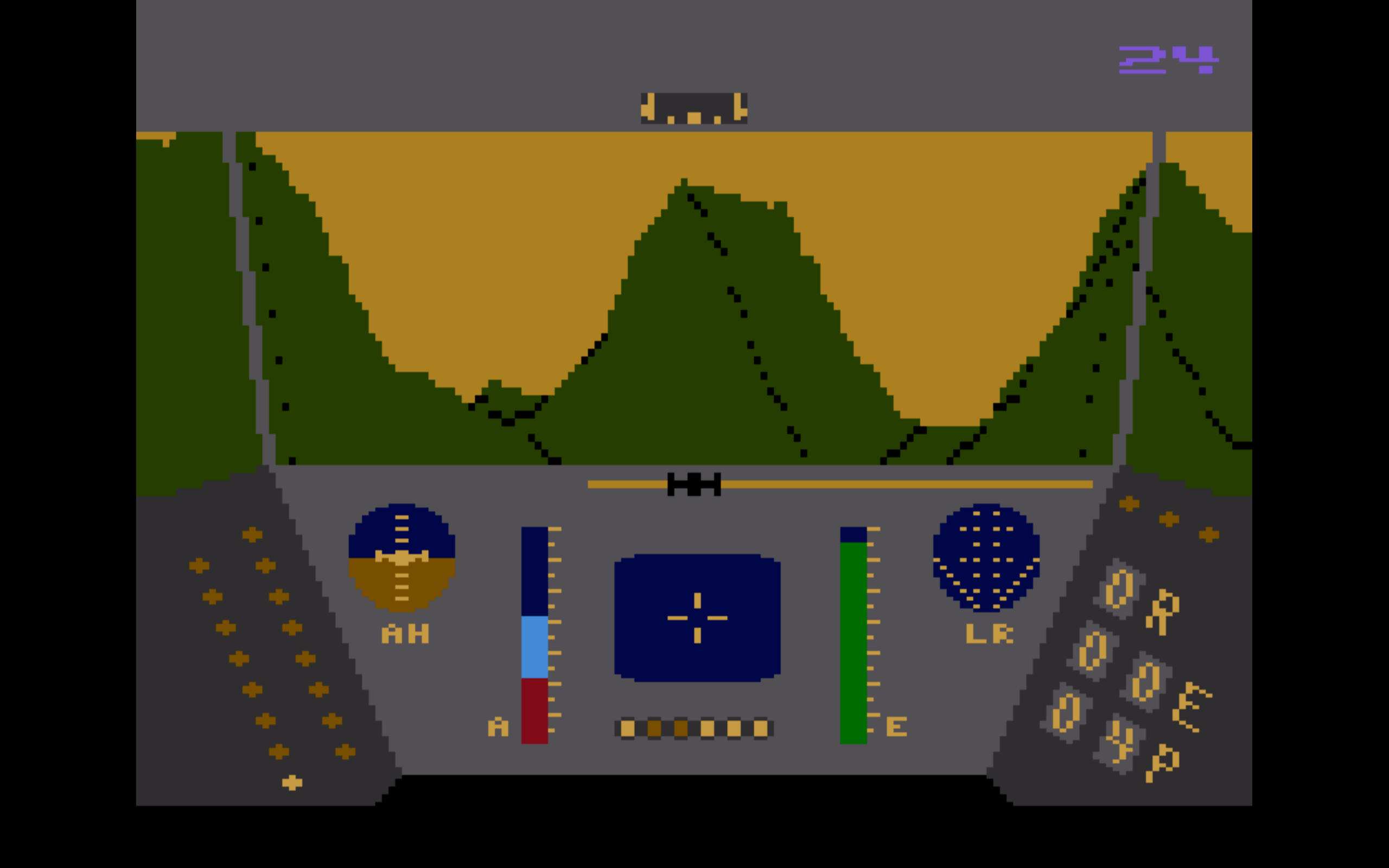
Rescue on Fractalus
Screenshot, Lucasfilm Games, Epyx, 1985.
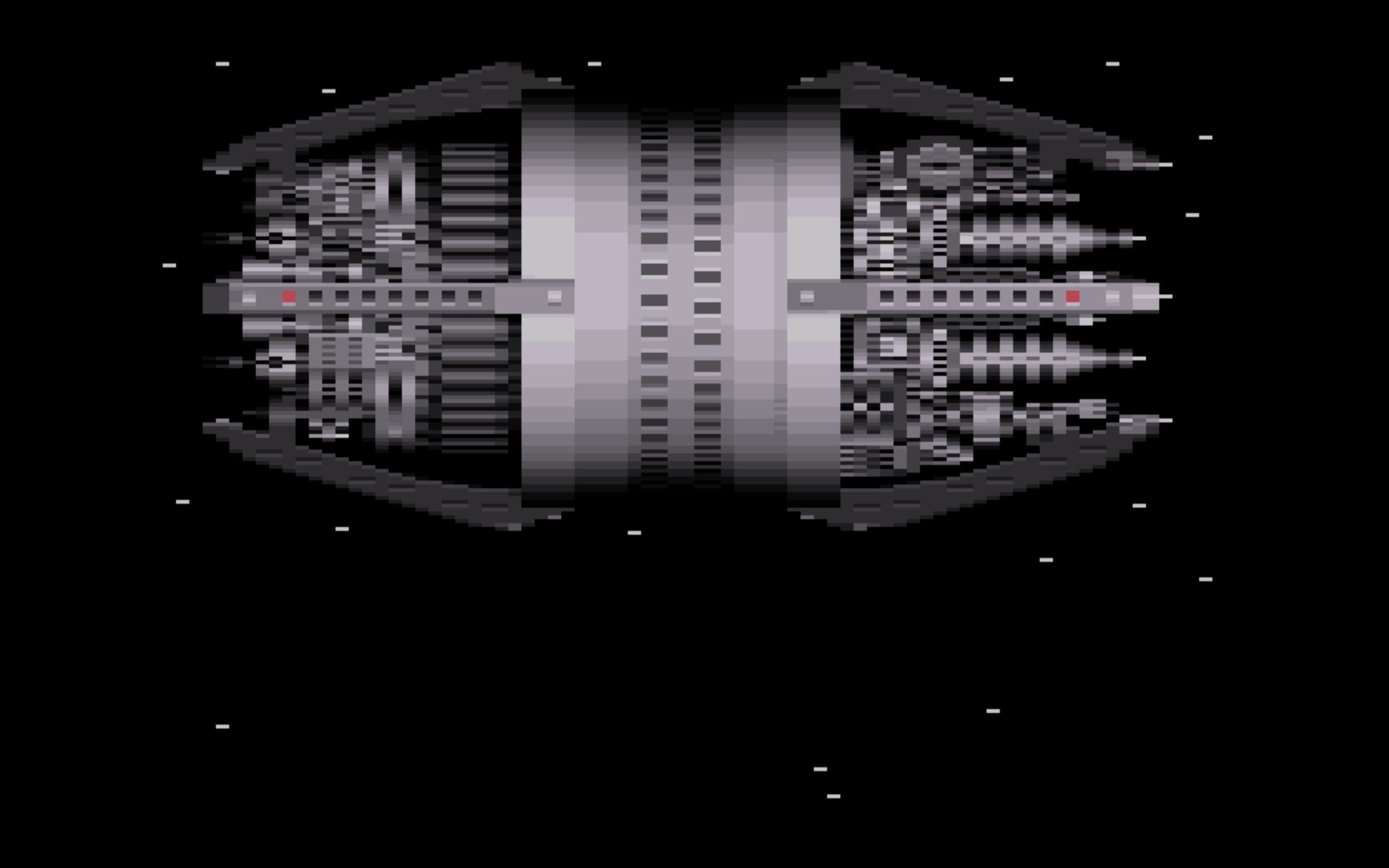
Rescue on Fractalus, the mothrship
Screenshot, Lucasfilm Games, Epyx, 1985.
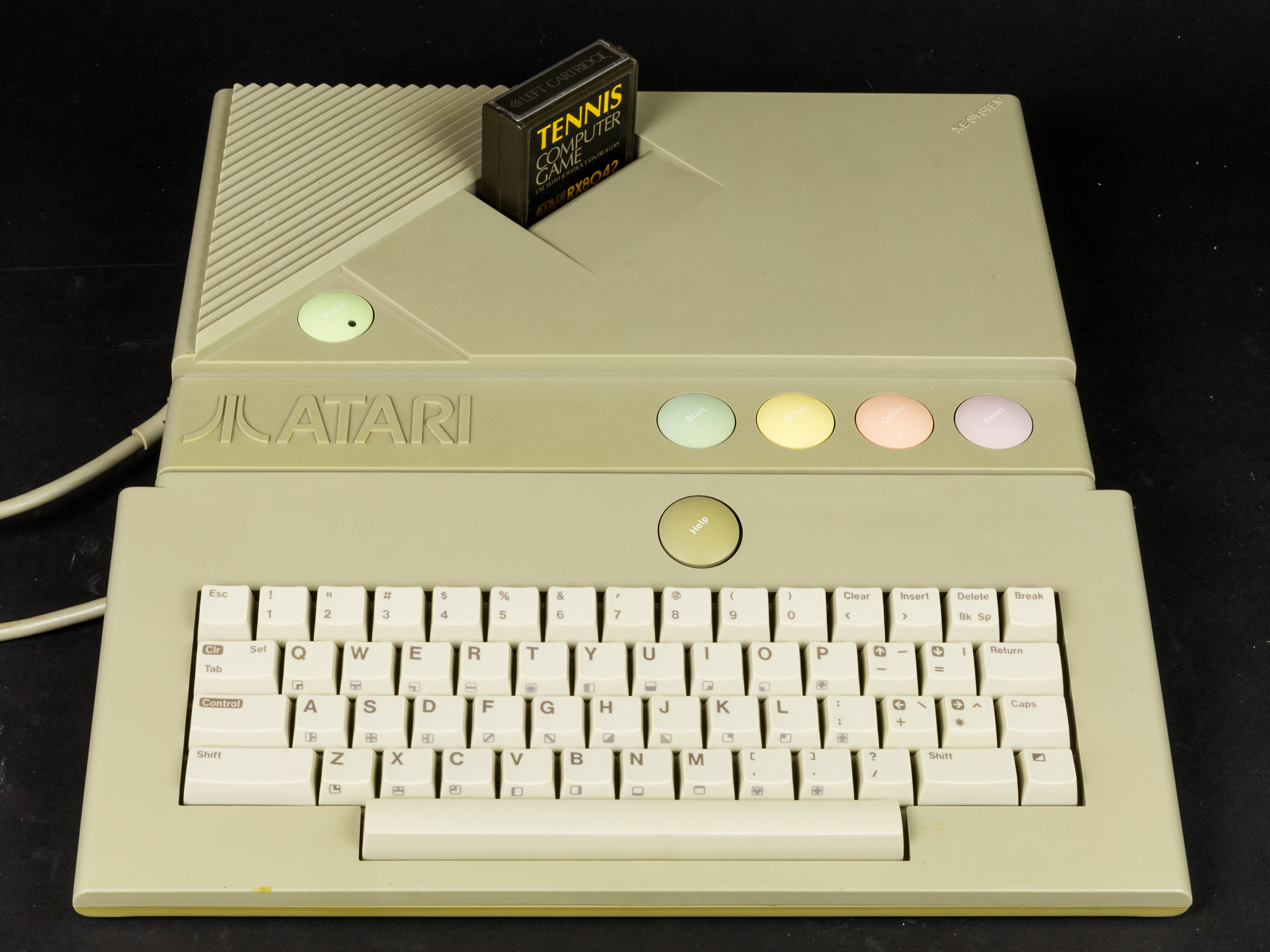
Atari XEGS with the keyboard add-on
Photo by Raimond Spekking, Creative Commons license CC BY- SA 4.0 license, no changes made.
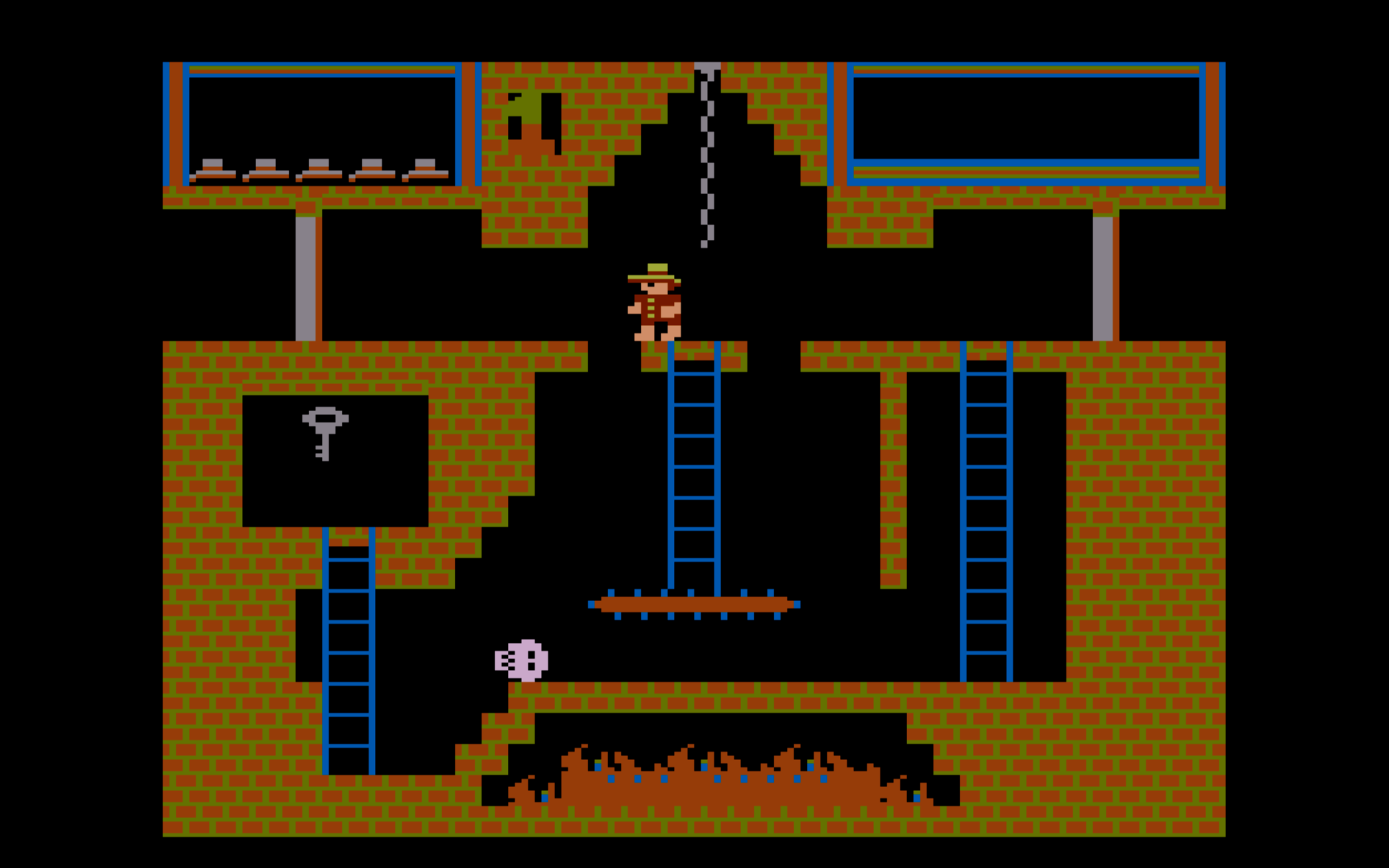
Montezuma’s Revenge
Screenshot, Utopia Software, Parker Brothers, 1985.
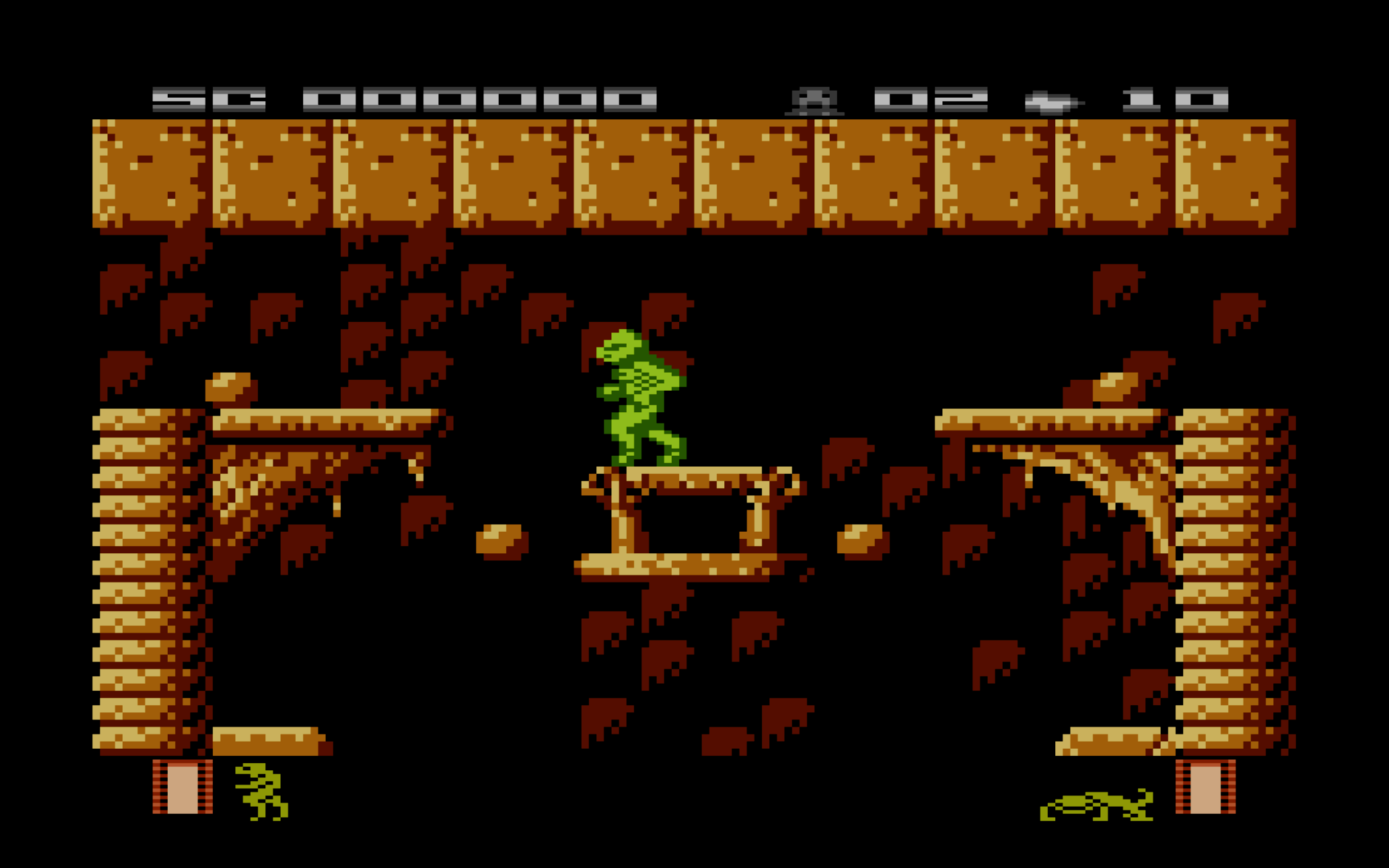
Draconus on the Atari 8-bit
Screenshot, Zeppelin Games, Cognito, 1988.
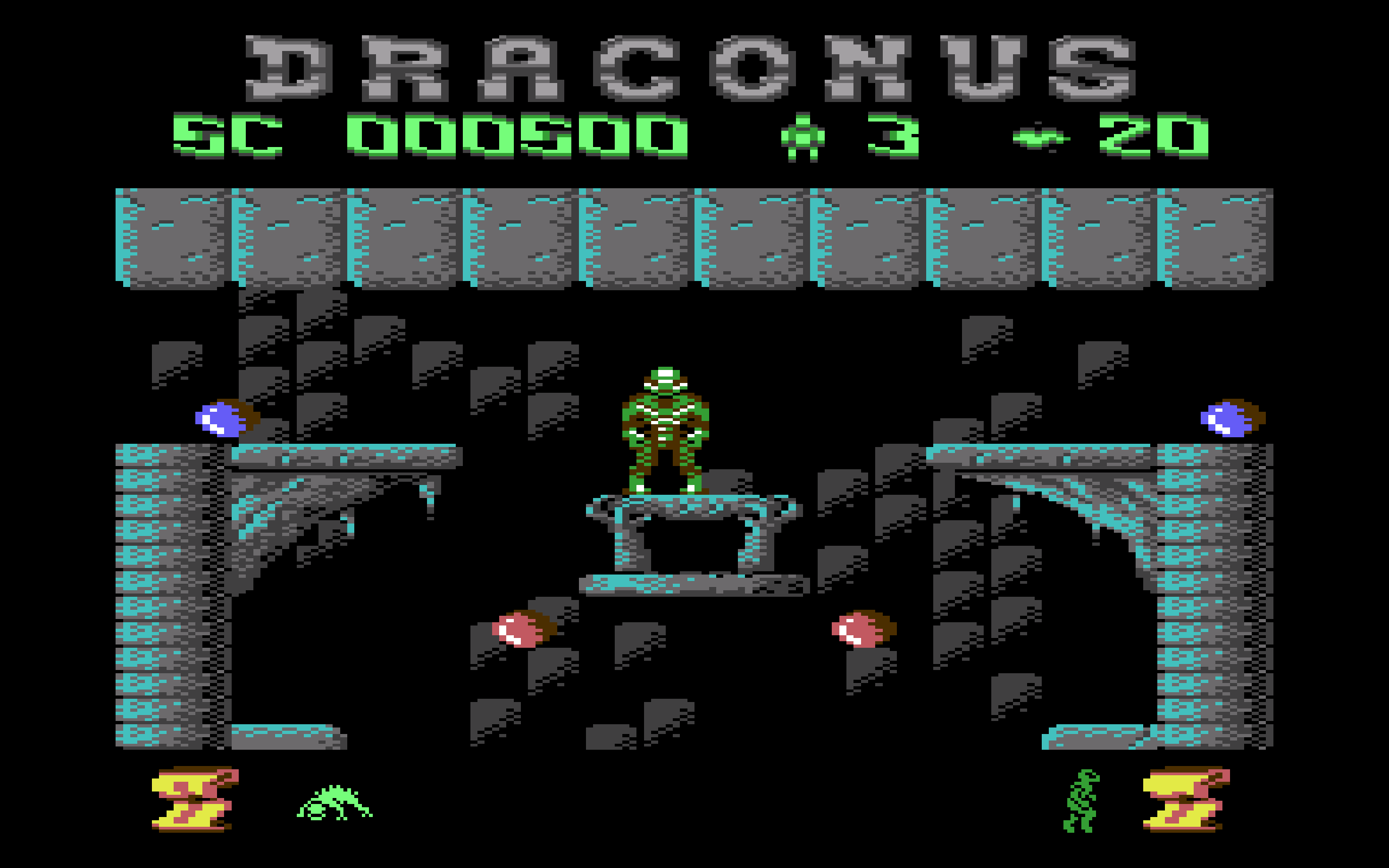
Draconus on the Commodore 64
Screenshot, Zeppelin Games, Cognito, 1988.
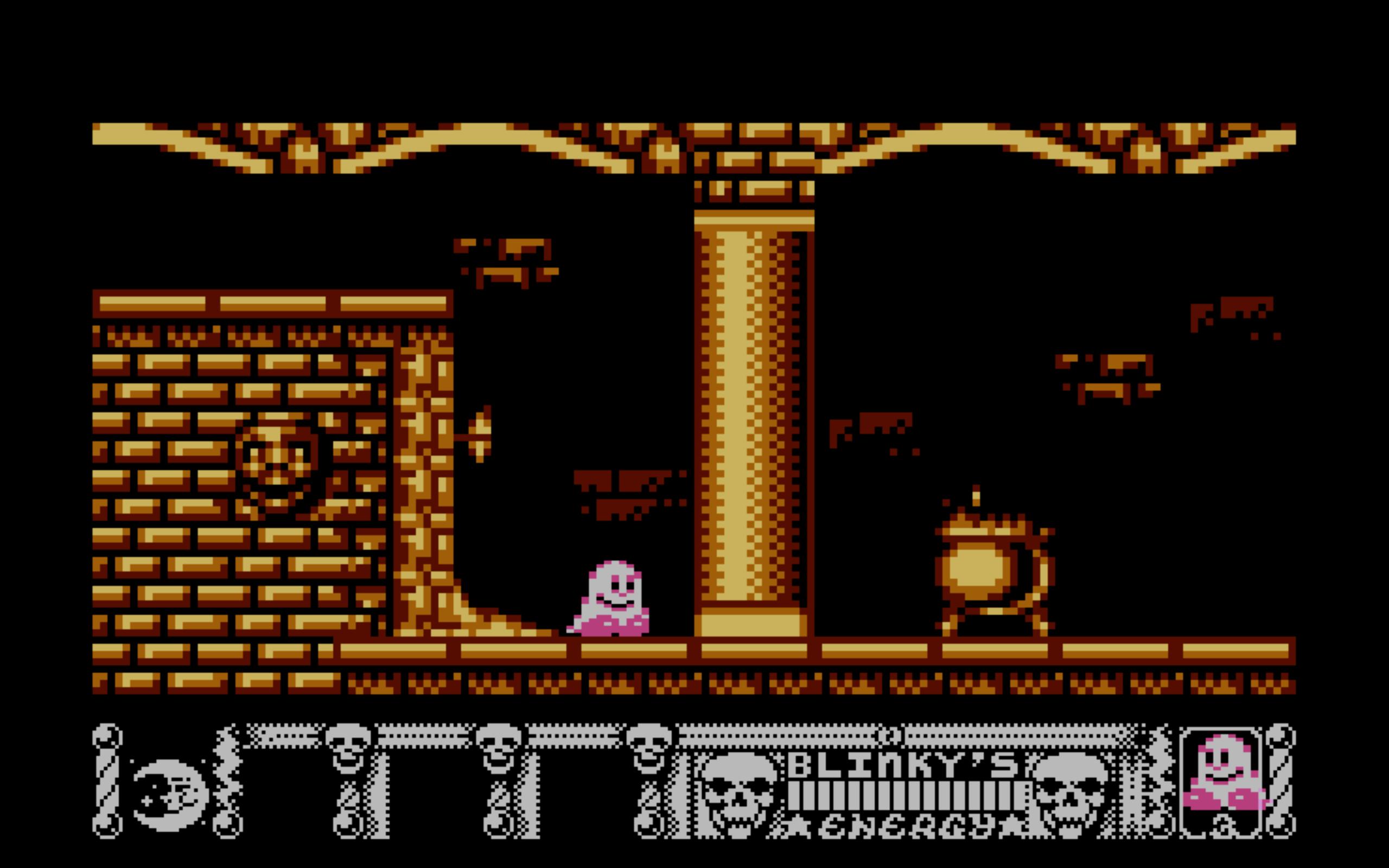
Blinky’s Scary School. Another example of the monochromatic aesthetics.
Screenshot, Zeppelin Games, 1990.
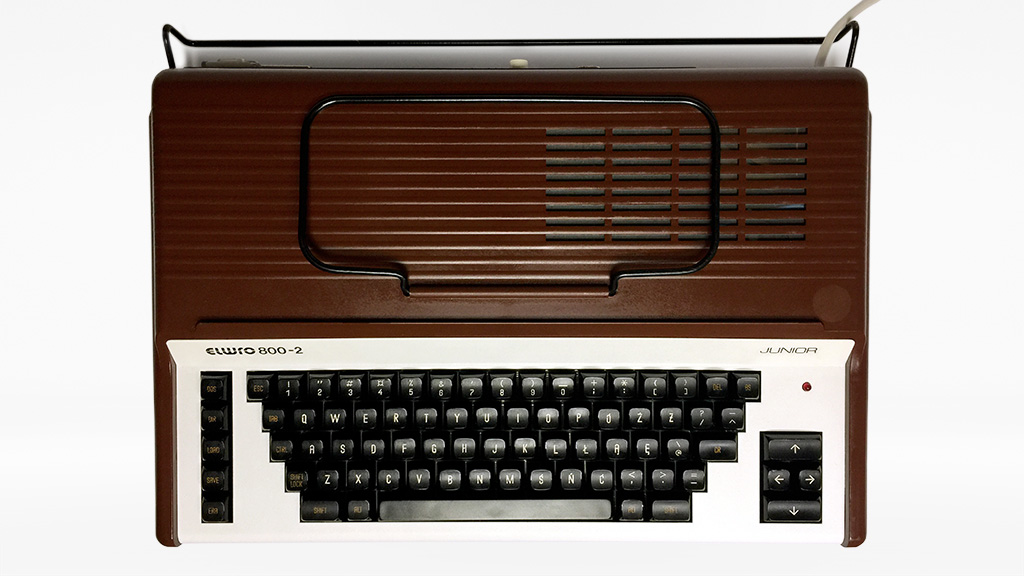
Elwro 800 Junior.
Photo by Marcin Robert Kaźmierczak, Creative Commons Attribution 3.0 Unported license.
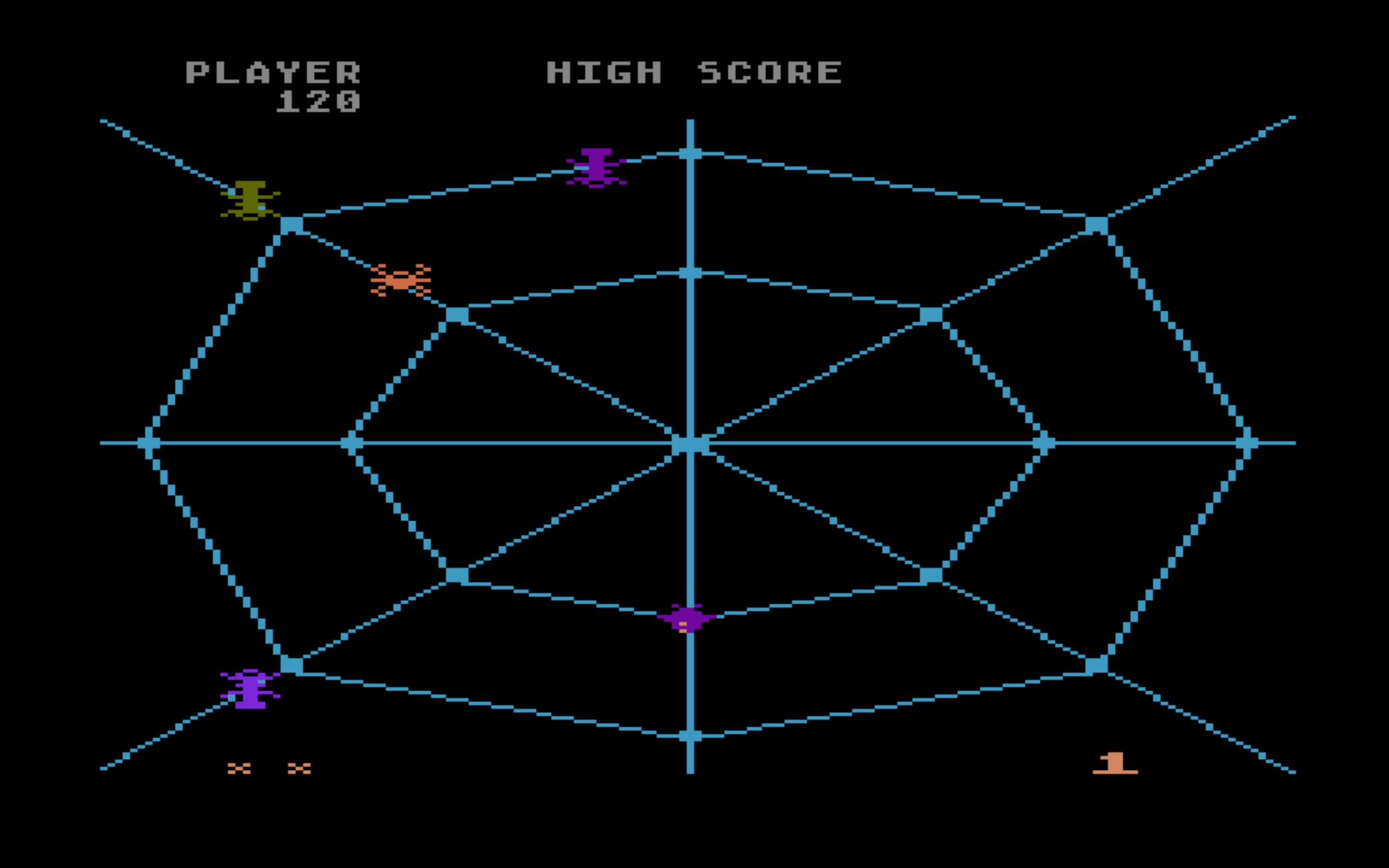
Webmaster.
Screenshot, unreleased prototype.
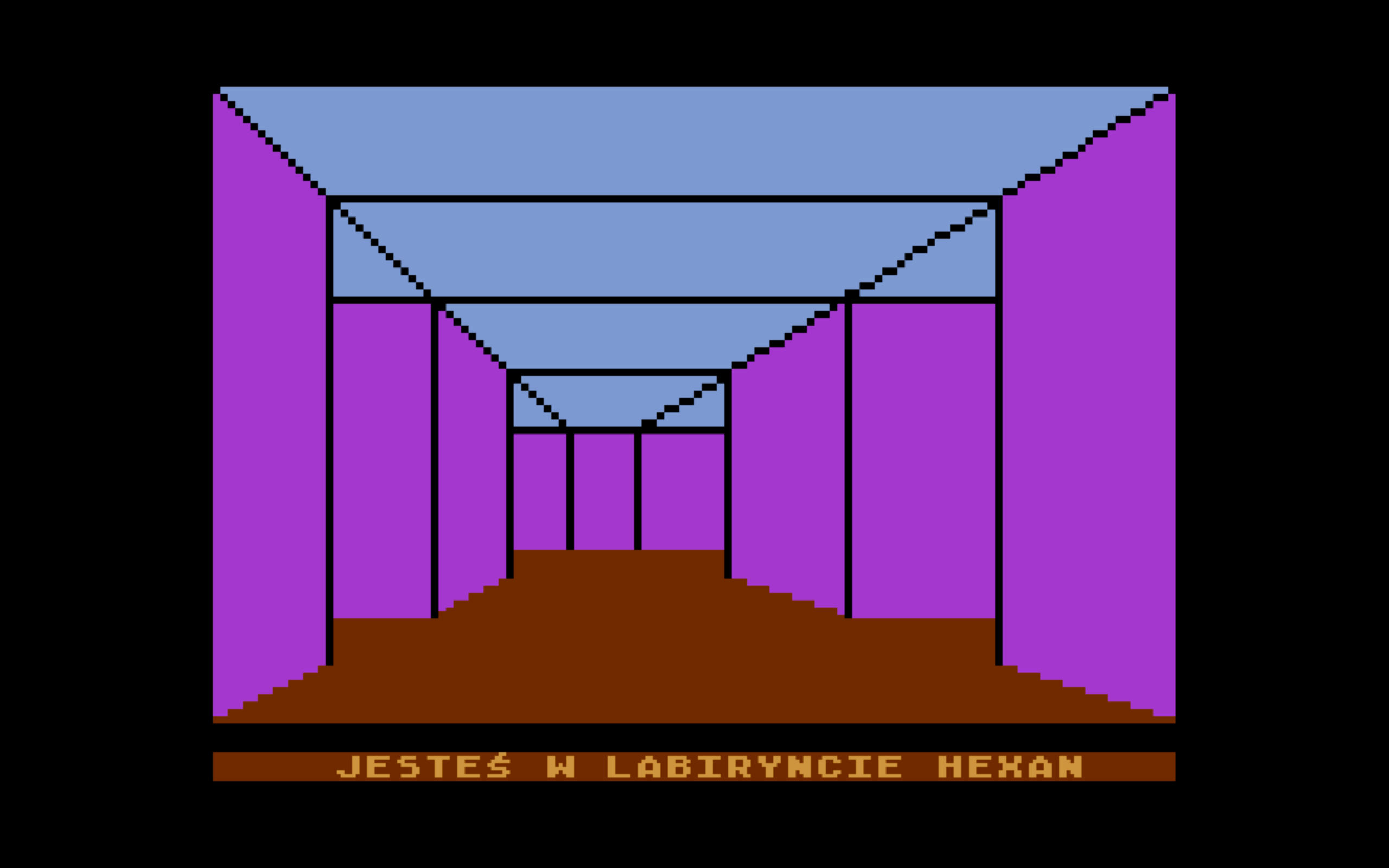
Hexan.
Screenshot, Rabbit Software, KAW, 1987.
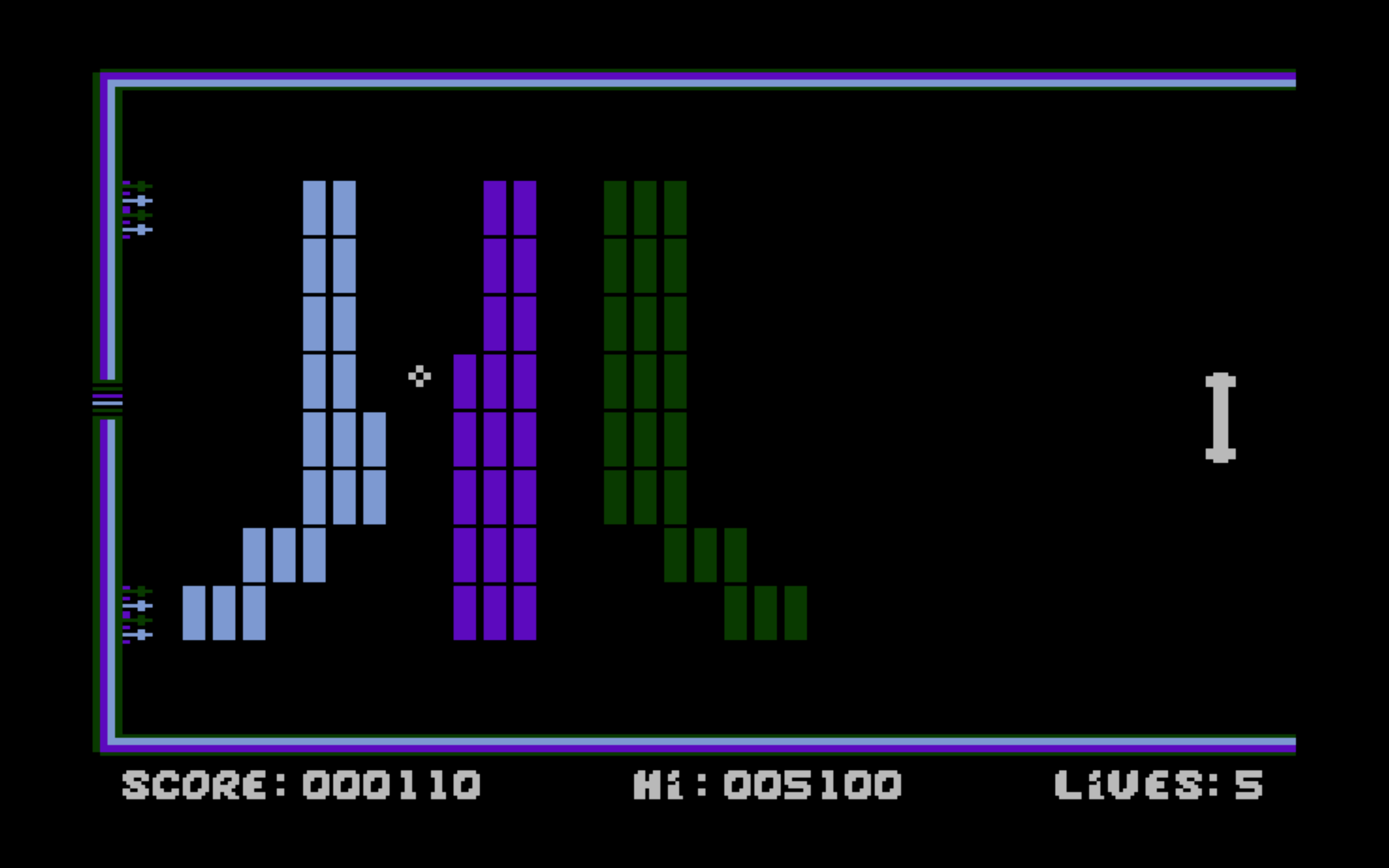
Arkanoid II
Screenshot, Pink Softhard.
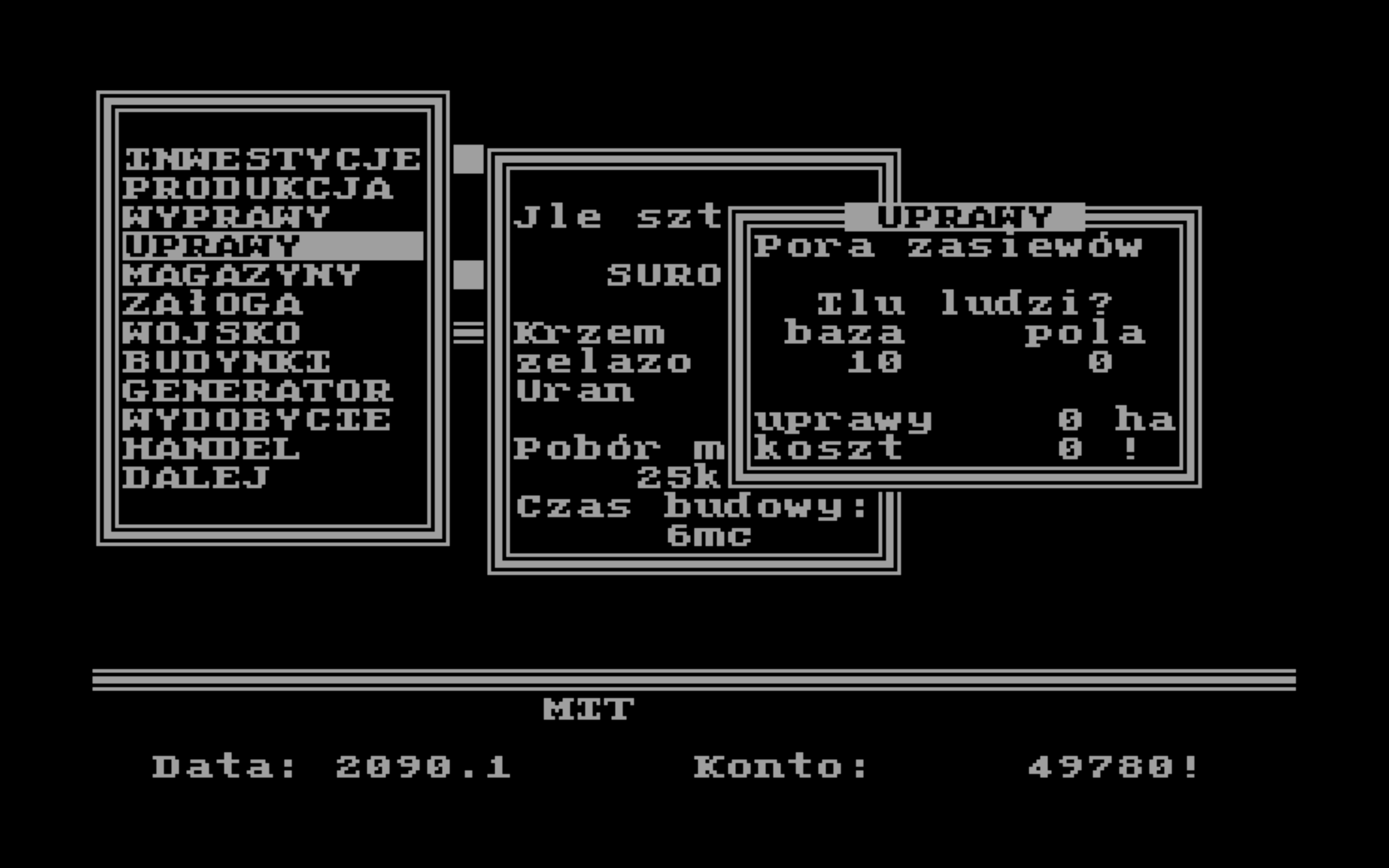
Kolony
Screenshot, Janusz Bie, Mirage Software, 1990.
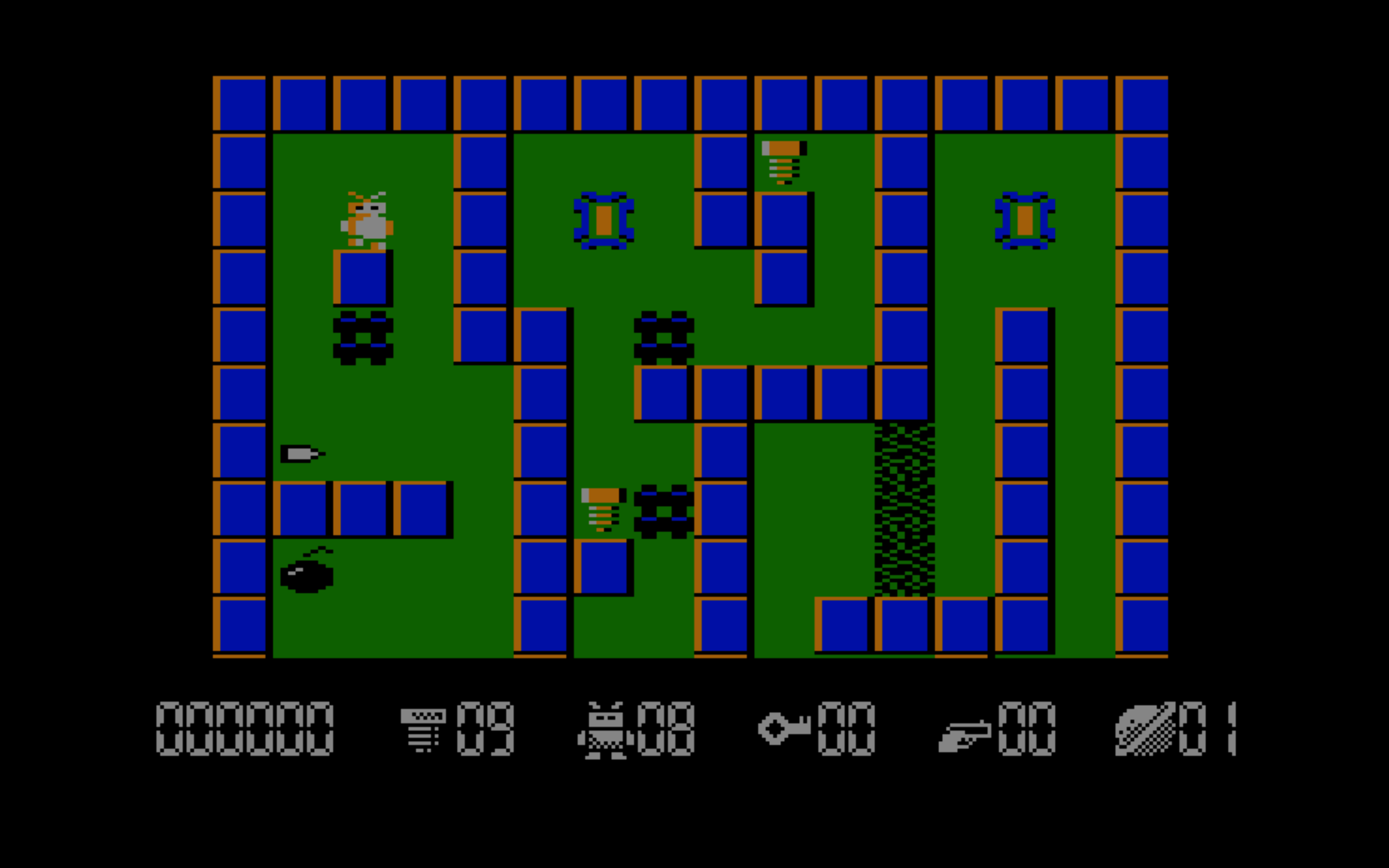
Robbo
Screenshot, Janusz Pelc, LKK Avalon, 1989.
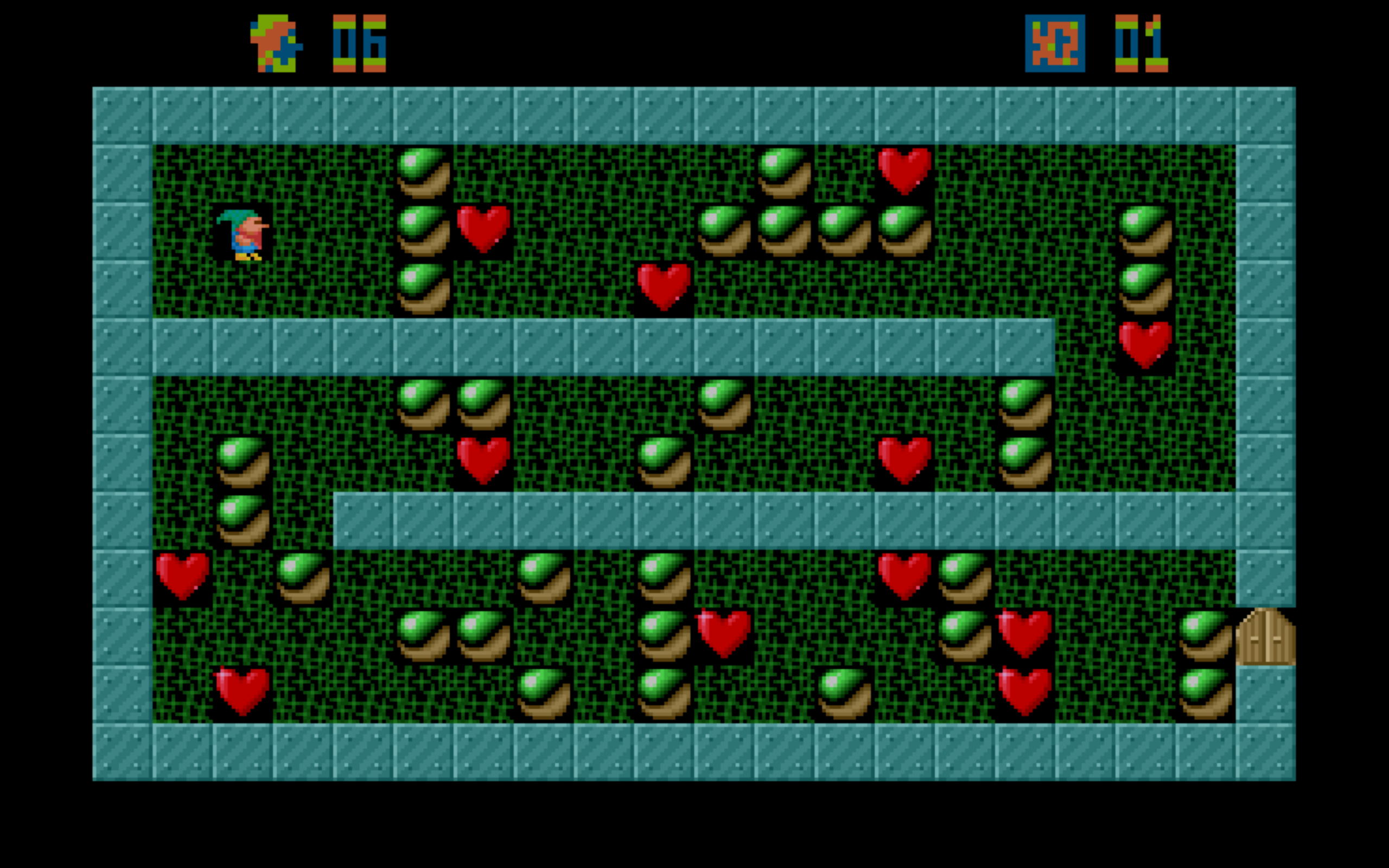
Heartlight VBXE
An example of graphics achieved with the VBXE card.
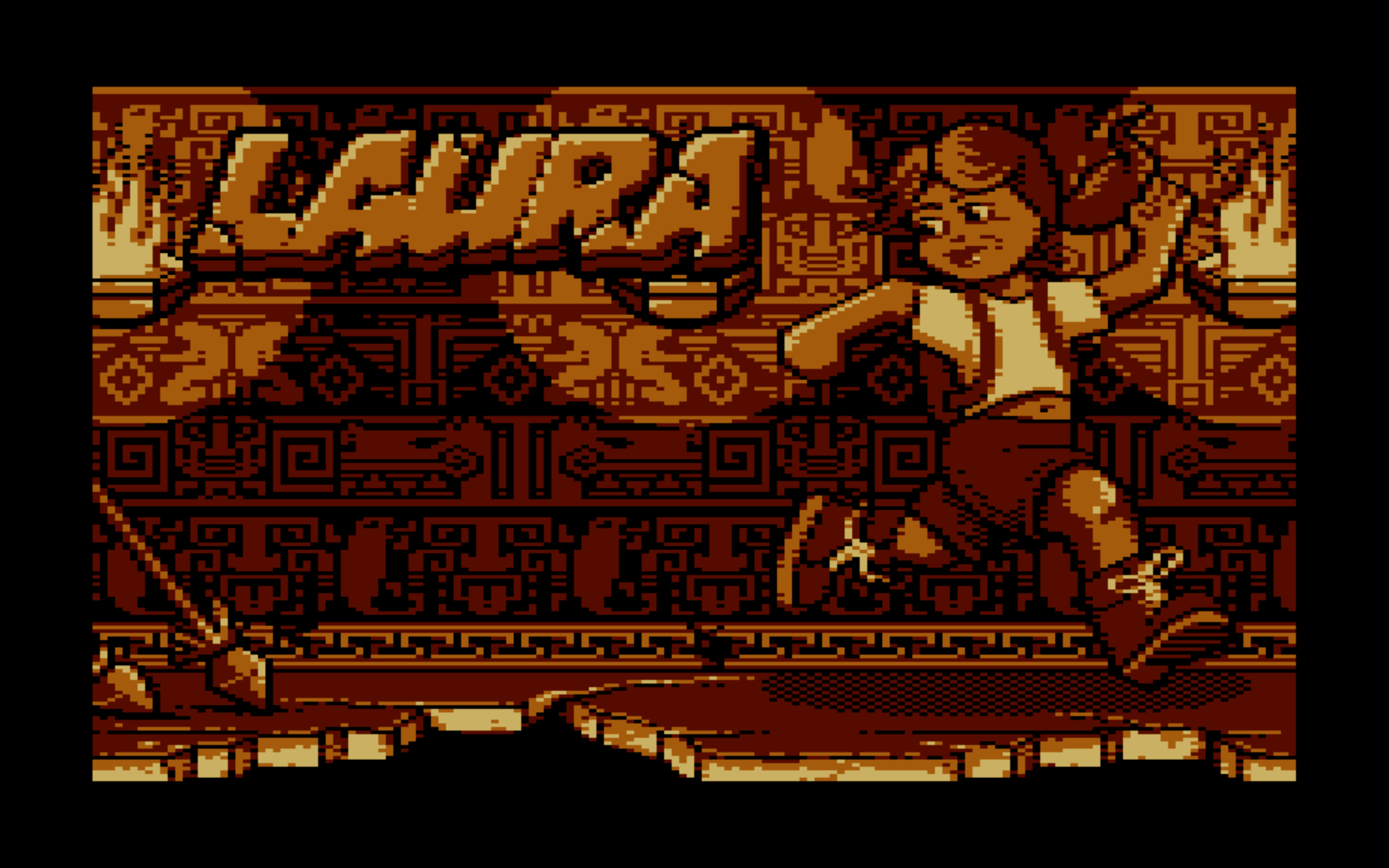
Laura. Title screen
Screenshot, Arsoft Corporation, 2016.
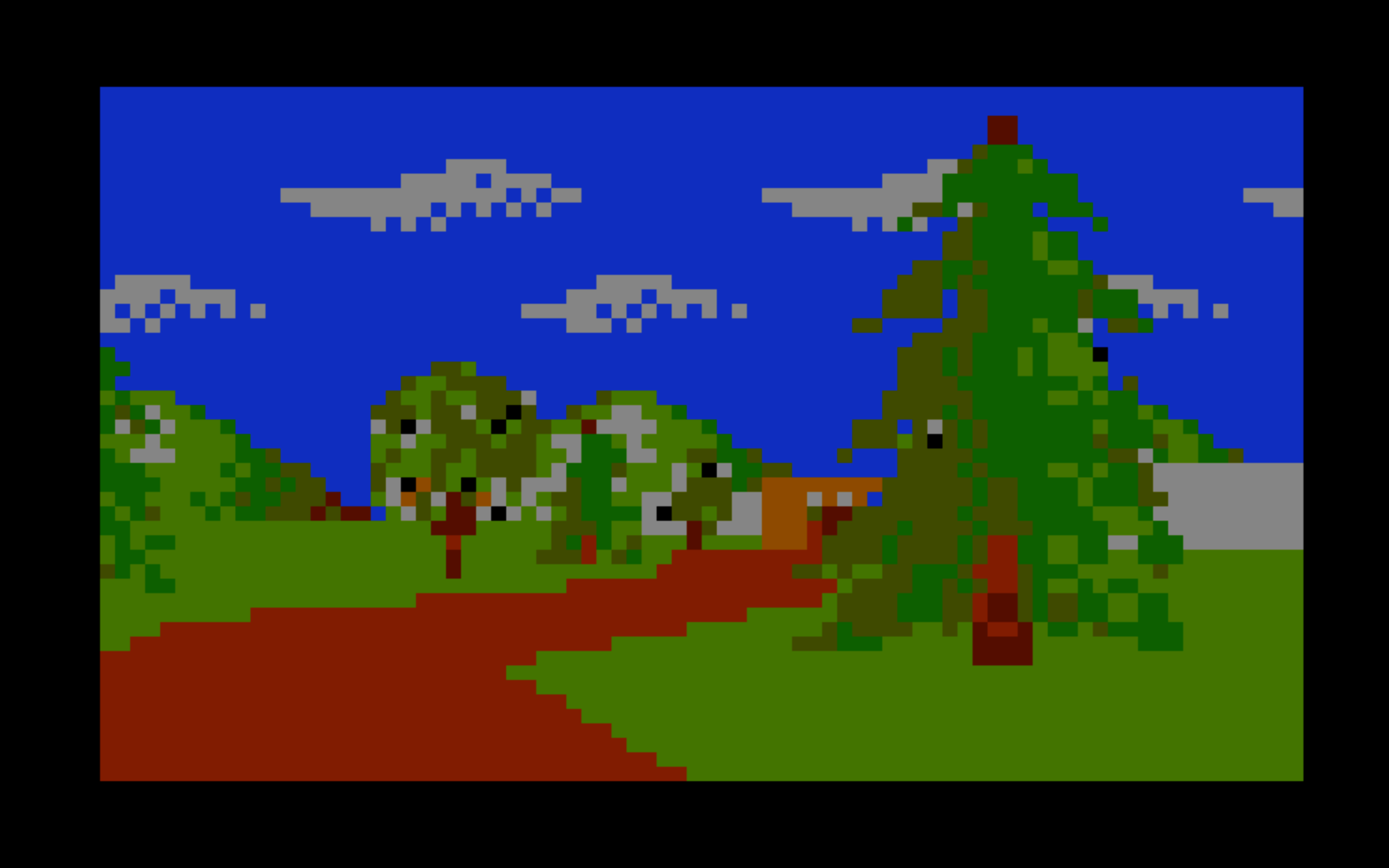
Numen. The opening 3D engine scene
Screenshot, Taquart, public domain, 2002.
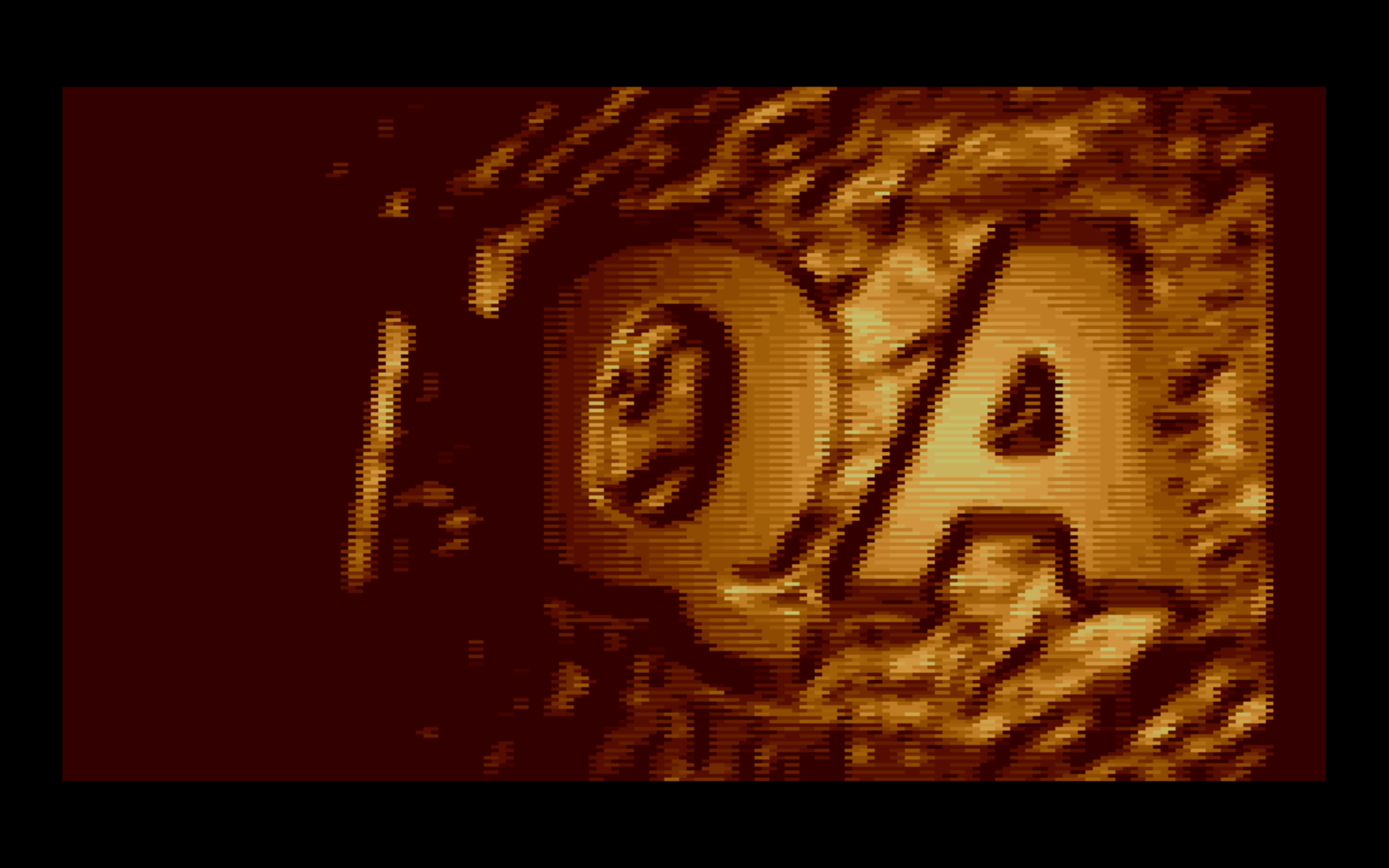
Numen. The bump mapping effect
Screenshot, Taquart, public domain, 2002.
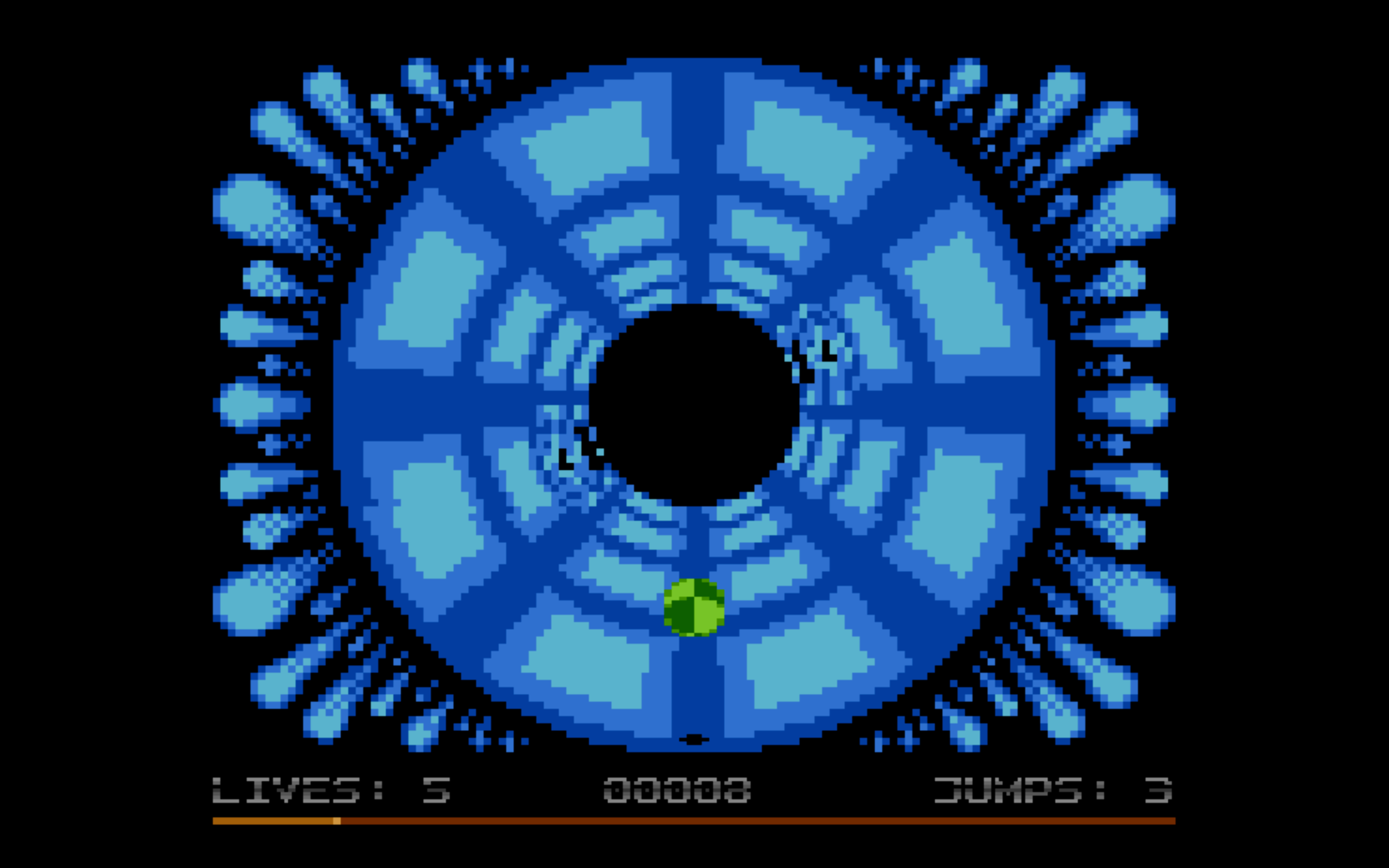
Yoomp
Screenshot, public domain, 2008.
Events & Keynotes
Upcoming talks, book presentations, retrogaming conventions, and online lectures by author Paweł Grabarczyk.
13.11.2026 - Book Launch & Keynote Presentation
More details coming soon.
Critical Reception & Reviews
Academic reviews, retro tech journal features, and praise for "At the End of the Rainbow".
"A fun and meticulous history, At the End of the Rainbow shows us how Atari’s 8-bit computers were adopted in surprising, different, and previously untold ways, in North America, in Poland, and around the world."
"Just when you think Atari has been done to death, At the End of the Rainbow shows you how much is left to learn. Focusing on the company’s often overlooked 8-bit computer family, this is a savvy exploration of what was at stake for Atari in its worldwide effort to carve out a space for itself in the home computer wars of the 1980s."
"What is At the End of Rainbow? Grabarczyk’s book is a pot of gold, scanning the horizons of Atari’s hazy 8-bit computing histories, from the firm’s Sunnyvale origins to its hidden pasts in socialism and South America."